Japanese Finger Techniques
A captivating methodology of Japanese origin has been garnering increased attention — a technique that intricately weaves the dynamic tapestry of our emotions with the symbolism of our five fingers. Each finger is assigned a distinct emotional association, thereby offering a distinctive avenue to confront and navigate the intricate realms of anxiety, fear, anger, sadness, and depression.Japanese method, revealing its intricacies and exploring its capacity to notably improve our emotional balance.
The Japanese finger technique, offering an unconventional avenue for emotional well-being, stands out as a guide to mindfulness. It directs focus to the intricate connection between our emotions and the tangible symbolism inherent in our hands. This distinctive approach encourages individuals to explore the deep link between their feelings and the particular fingers that act as channels for emotional energy. In today’s fast-paced lifestyles, characterized by relentless demands and constant stimuli, the need to nurture emotional resilience has become increasingly crucial.
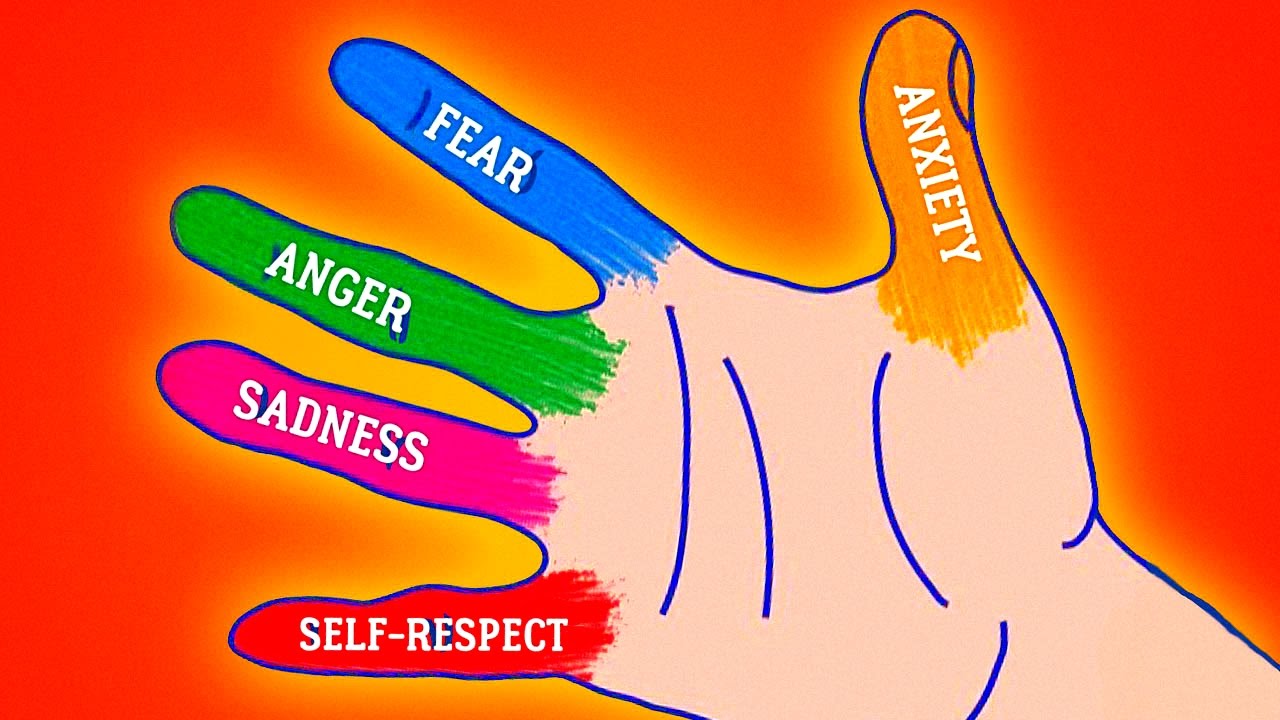
- Thumb — Representing Anxiety: The thumb is said to be linked to feelings of anxiety. By applying gentle pressure or massaging the thumb, like gentle circular motions individuals may experience a sense of relief and relaxation. This technique aims to soothe the mind and alleviate the tension associated with anxious thoughts, fostering a calmer mental state.Regular attention to the thumb can contribute to a more grounded and centered state of mind.
- Index Finger — Symbolizing Fear: The index finger is associated with fear. Techniques involving the index finger aim to address and reduce fear-based emotions. This could involve gentle movements or pressure points that help individuals confront and manage their fears, promoting a sense of courage and resilience..By working with the index finger, individuals may gradually lessen the grip that fear has on their emotional well-being.
- Middle Finger — Signifying Anger: Anger, when not managed properly, can negatively impact mental and physical health. Anger, a powerful and sometimes overwhelming emotion, is connected to the middle finger. Gentle massages or exercises that engage the middle finger can help individuals channel their anger in a more controlled manner.Employing techniques focused on this finger may assist in releasing pent-up anger and finding constructive ways to express and manage intense feelings, ultimately fostering emotional balance.
- Ring Finger — Representing Sadness and Depression: The ring finger is associated with emotions of sadness and depression. Practices that involve this finger may include gentle massage or acupressure to address feelings of melancholy. Massaging or applying pressure to specific points on the ring finger may stimulate the release of endorphins and promote a more positive emotional stateThe goal is to lift the spirit, promoting a more positive outlook and emotional well-being.y incorporating techniques for the ring finger into daily self-care routines, individuals can actively contribute to managing feelings of sadness and preventing the onset of depression.
- Little Finger — Reflecting Self-Esteem and Willpower: The little finger is linked to self-esteem and willpower. Techniques centered around this finger aim to boost confidence and enhance one’s sense of self-worth. By incorporating these practices into daily routines, individuals may find increased inner strength and determination. Gentle exercises and stretches for the little finger can serve as a reminder of personal capabilities, fostering a resilient mindset. Regular attention to this finger contributes to a positive self-image and a greater ability to overcome challenges.
The crux of this technique lies in the assignment of distinct emotions to each finger — each digit carrying the weight of a specific facet of the human emotional spectrum. The thumb becomes the embodiment of anxiety, the index finger the repository of fear, the middle finger the vessel of anger, the ring finger the custodian of sadness and depression, and the little finger the harbinger of self-esteem and willpower. This classification not only simplifies the complexity of human emotions but also provides a tangible framework for addressing and managing them.
Within the intricate choreography of our fingers, a therapeutic dance unfolds — one that allows individuals to address and alleviate emotional distress through intentional, tactile interactions. By assigning specific emotions to each finger, the technique encourages a mindful engagement with one’s emotional landscape. This engagement is not merely conceptual but is grounded in the tangible act of interacting with one’s own hands — a process that, in itself, can be meditative and transformative.
In essence, the Japanese finger technique becomes a conduit for fostering emotional intelligence. It beckons individuals to pause, reflect, and actively participate in their emotional well-being. Through this tactile journey, individuals gain insight into the nuances of their emotional responses, fostering a heightened self-awareness that becomes instrumental in the pursuit of balance and resilience.
Moreover, the beauty of this technique lies in its adaptability to diverse contexts. Whether one seeks solace in the midst of a hectic workday, yearns for emotional release during moments of turmoil, or aspires to cultivate a daily practice for overall well-being, the Japanese finger technique offers a versatile toolset. It is a practice that transcends cultural boundaries and resonates with individuals seeking a harmonious integration of mind and body.
Incorporating the Japanese technique of emotional well-being into daily life involves recognizing the intricate connections between each finger and its associated emotion. By paying attention to the specific needs of each emotion, individuals can tailor their self-care practices to address anxiety, fear, anger, sadness, and self-esteem. This holistic approach provides a valuable set of tools for navigating the complexities of our emotions and cultivating a more balanced and harmonious life.