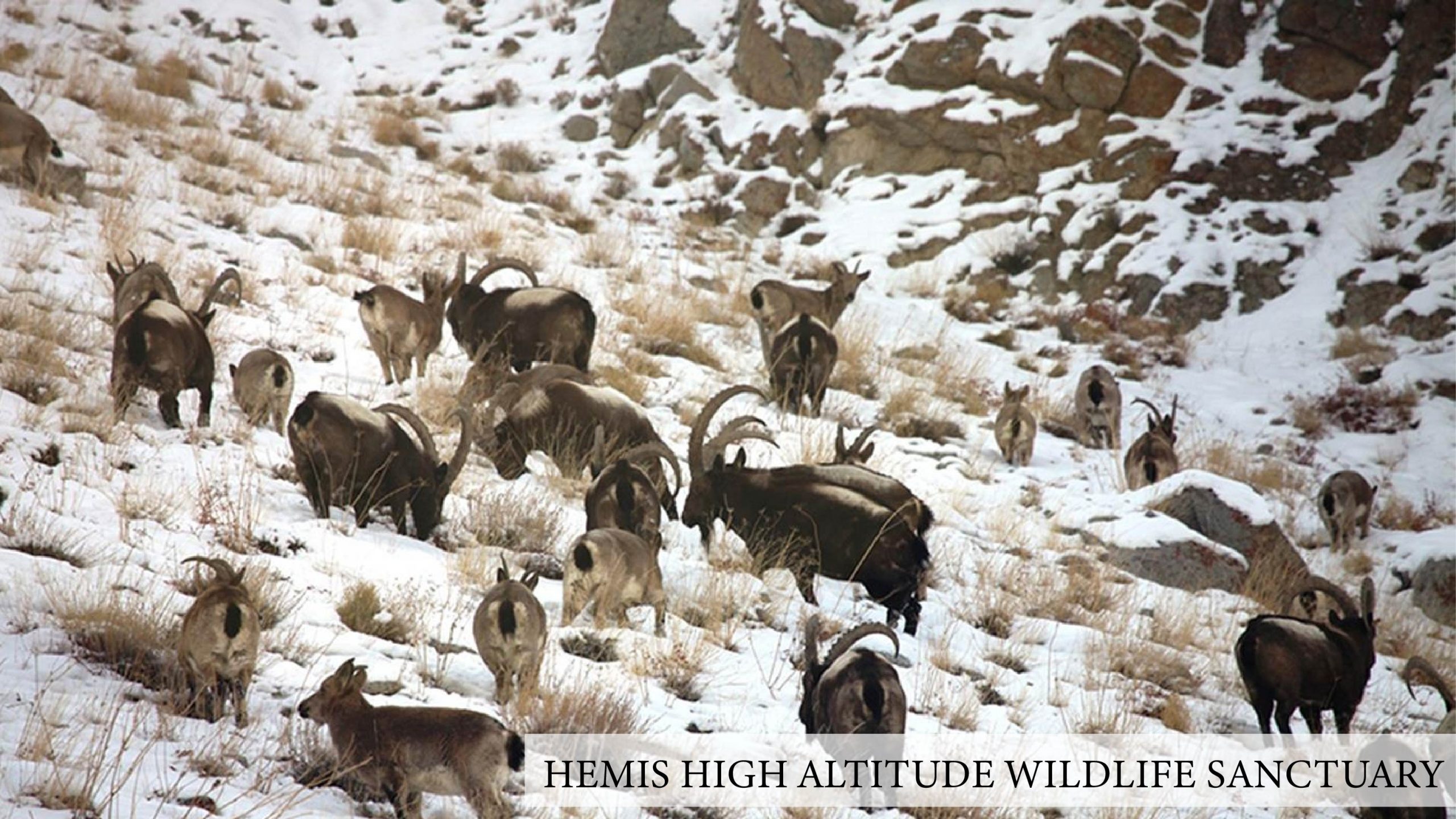
Hemis Wildlife Sanctuary, located in Ladakh, India, is a pristine natural haven that offers refuge to a diverse array of flora and fauna. Spanning over 4400 square kilometers, it is the largest national park in South Asia and one of the most captivating wildlife sanctuaries in the region.
The sanctuary takes its name from the famous Hemis Monastery .It is situated in the eastern part of Ladakh, surrounded by majestic mountains and picturesque landscapes. The sanctuary’s elevation ranges from approximately 3,300 to 6,000 meters, encompassing a wide range of habitats that support various species of plants and animals.
Hemis Wildlife Sanctuary is particularly renowned for its population of snow leopards, an elusive and endangered big cat species. The sanctuary serves as a crucial protected area for these magnificent creatures, providing them with a safe environment to roam and thrive. Visitors to the sanctuary may be lucky enough to catch a glimpse of these magnificent cats in their natural habitat.
Apart from snow leopards, the sanctuary is also home to numerous other wildlife species, Eurasian brown bears, red foxes, and Himalayan marmots are some of the other notable inhabitants of this sanctuary. The region’s avian biodiversity is equally impressive, with golden eagles, Himalayan griffon vultures, lammergeiers, and various species of migratory birds gracing the skies above.

The flora of Hemis Wildlife Sanctuary showcases the hardiness and adaptability of plants in extreme mountainous conditions. The sanctuary boasts a diverse range of vegetation, including alpine meadows, juniper forests, and sparse patches of shrubs and grasses. During the summer months, the sanctuary comes alive with vibrant blooms of wildflowers, painting the landscape with a riot of colors.
Hemis Wildlife Sanctuary offers nature enthusiasts and adventure seekers a unique opportunity to experience the raw beauty of the Himalayas while observing the fascinating wildlife that inhabits the region. Trekking and wildlife safaris are popular activities for visitors, providing an up-close and personal encounter with the sanctuary’s natural wonders.
Efforts are underway to protect and conserve the Hemis Wildlife Sanctuary and its inhabitants. Local authorities, conservation organizations, and communities collaborate to implement measures that ensure the sanctuary’s long-term sustainability. These initiatives include community-based conservation programs, eco-tourism initiatives, and awareness campaigns aimed at educating visitors about the sanctuary’s ecological significance.
During the winter season, when the sanctuary is covered in a pristine white blanket of snow, the allure of Hemis reaches new heights. The challenging conditions make it a preferred destination for winter sports enthusiasts. The thrill of snowboarding, skiing, and snowshoeing against the backdrop of the Himalayas is an experience that leaves a lasting impression.
For visitors planning a trip to Hemis Wildlife Sanctuary, it is important to respect the sanctuary’s rules and guidelines. Responsible tourism practices, such as staying on designated trails, refraining from littering, and maintaining a safe distance from wildlife, are crucial to preserve the sanctuary’s integrity and minimize human impact.
A visit to Hemis Wildlife Sanctuary in Ladakh is an extraordinary voyage into the heart of an unspoiled and awe-inspiring natural landscape. It provides a unique opportunity to behold the delicate beauty of the Himalayan ecosystem and serves as a poignant reminder of the significance of safeguarding such wilderness areas for the enjoyment and appreciation of generations to come. With its captivating blend of wildlife, rugged terrains, and cultural significance, this sanctuary beckons nature enthusiasts and adventure seekers, making it a destination that should not be missed. By cherishing and protecting this sanctuary, we can ensure the preservation of its abundant biodiversity and pass on the legacy of this remarkable place to future generations.