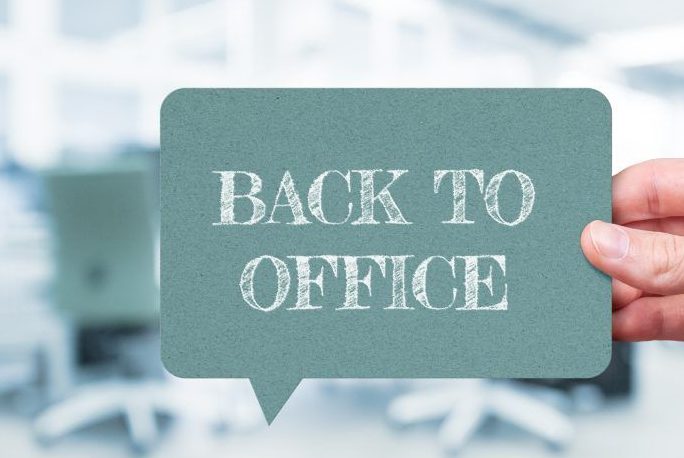
In the wake of the global pandemic, remote work became more than just a trend; it was a necessity that reshaped the way we view work-life balance. For years, professionals around the world adapted to the confines of their homes as makeshift offices, juggling virtual meetings, family responsibilities, and the lack of physical separation between work and personal life.
As the world gradually recovers and workplaces reopen, a pertinent question arises: Are people genuinely happy to return to the office after spending years working from home?
The answer, as with many complex topics, isn’t black and white. Some individuals are undoubtedly eager to reunite with their colleagues and reclaim the sense of routine that an office environment provides.
The water cooler chats, impromptu brainstorming sessions, and face-to-face interactions are experiences that many have longed for during extended periods of isolation. The office can offer a structured space that aids in focusing on tasks and creates a clear boundary between work and leisure.
On the flip side, there’s a contingent who’ve grown accustomed to the autonomy that working from home affords. The absence of commuting, flexible schedules, and the comfort of personalized workspaces have become integral to their productivity and overall well-being.
The work-from-home era demonstrated that tasks can be accomplished without the necessity of a physical office, raising questions about the true value of a traditional workplace in the digital age.
For some, the return to the office is met with mixed emotions. The hybrid work model emerges as a compromise, allowing individuals to split their time between the office and home. This approach acknowledges the benefits of both environments and caters to diverse work styles, fostering a sense of autonomy while maintaining a connection to the company culture.
Employers, too, face a significant challenge in this transitional phase. They must strike a balance between accommodating employees’ preferences and ensuring the efficiency and collaboration that often come with in-person work.
This may involve redesigning office spaces to prioritize collaboration over individual work, revamping policies to enable flexible scheduling, and emphasizing the importance of mental health support as individuals adapt to new routines.
Communication is paramount during this transition. Employers should actively engage with their workforce, seeking feedback and adjusting strategies accordingly. Employee well-being surveys, open forums, and one-on-one discussions can help shape a workplace environment that resonates with employees’ evolving needs.
Ultimately, the happiness of returning to the office after years of remote work varies from person to person. While some are eager for the change of scenery and the social interaction the office provides, others have grown attached to the newfound freedom and flexibility of remote work.
In a prevailing trend, many companies now offer employees the flexibility to split their workweek between the office and home. This hybrid approach acknowledges the value of in-person collaboration while honoring the productivity and convenience that remote work offers. By granting a mix of office and remote days, companies aim to strike a balance that enhances both teamwork and individual work styles, catering to the evolving preferences of their workforce.
The future of work is undoubtedly more fluid, with the understanding that one size doesn’t fit all. What remains constant is the importance of fostering a work environment that values individuals’ preferences, supports their well-being, and encourages a productive and cohesive team dynamic — whether that be in the office, at home, or a blend of the two.