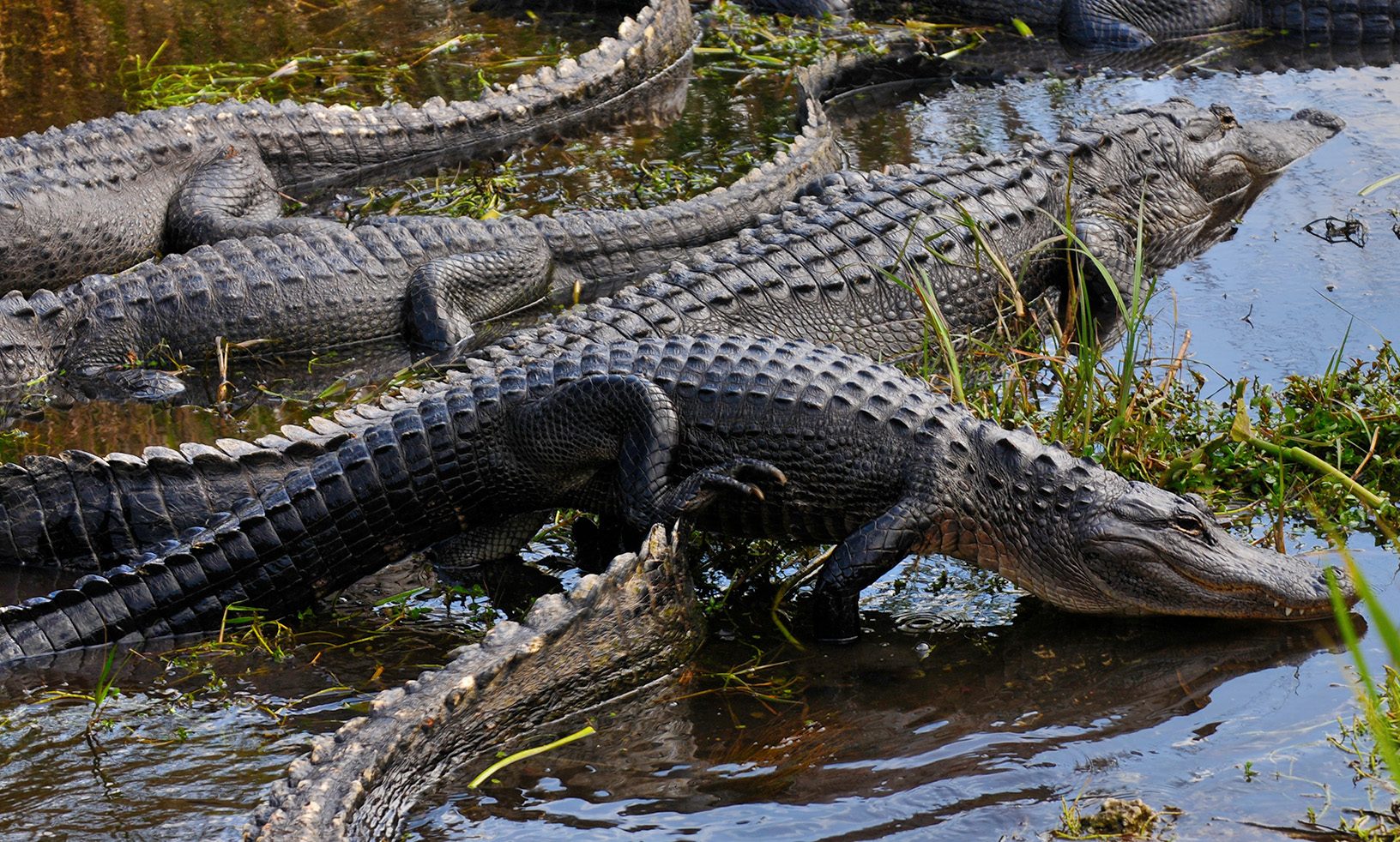
Enchanting world of the Everglades, a unique and diverse ecosystem that boasts of being one of the most extraordinary natural wonders in the United States. Stretching across the southern tip of Florida, this magnificent wetland is a sanctuary of unparalleled beauty, teeming with an astonishing variety of flora and fauna.
A Mesmerizing Tapestry of Landscapes: The Everglades encompass an extensive area, covering approximately 1.5 million acres of subtropical wilderness. Contrary to popular belief, the Everglades is not just a swamp; it comprises a myriad of distinct habitats, from freshwater marshes, mangrove forests, and cypress swamps to coastal estuaries and pine rocklands. This breathtaking tapestry of landscapes is what makes the Everglades an ecological treasure trove.
Biodiversity Galore: Within the boundaries of the Everglades, an astonishing diversity of plant and animal species coexist harmoniously. Over 350 species of birds, including the iconic roseate spoonbill and the elusive snail kite, call the Everglades home. The vast expanse of sawgrass prairies provides an ideal habitat for the Florida panther, American alligator, and the elusive Florida manatee. Not to forget the plethora of reptiles, amphibians, and insects that thrive in this lush ecosystem, each playing a vital role in maintaining the ecological balance.
Importance of the Everglades: The Everglades isn’t just a picturesque landscape; it serves a crucial role in maintaining the ecological balance of Florida and beyond. Often referred to as the “River of Grass,” this unique wetland acts as a natural filter, purifying the water that flows through it. Moreover, it acts as a buffer during storm surges, protecting the coastal communities from the wrath of hurricanes. Sadly, human activities, such as drainage, pollution, and urban development, have taken a toll on the Everglades, threatening its delicate equilibrium.
Conservation Efforts: Recognizing the importance of the Everglades, significant conservation efforts have been undertaken to preserve and restore this fragile ecosystem. The Comprehensive Everglades Restoration Plan (CERP) aims to improve water flow and quality, as well as to protect the diverse range of wildlife inhabiting the region. Additionally, various national parks and wildlife refuges within the Everglades offer protection and safe havens for the resident flora and fauna.
Experiencing the Everglades: Visitors to the Everglades are in for a treat as they immerse themselves in this remarkable wilderness. Various ecotourism opportunities abound, such as airboat tours, canoeing, hiking, and birdwatching, allowing travelers to get up close and personal with the wonders of nature. However, it is essential to tread lightly and responsibly, ensuring that we leave no lasting impact on this delicate ecosystem.
The Dance of Life: Everglades’ Ephemeral Beauty
As the sun rises over the Everglades, a captivating dance of life begins. The still waters shimmer in the golden light as birds take flight, and the gentle rustle of sawgrass fills the air. This ephemeral beauty, unique to the Everglades, showcases the delicate interplay between nature’s elements. The seasonal ebb and flow of water create a dynamic landscape that sustains an intricate web of life, where every living organism plays an indispensable role in the grand symphony of nature.
The Resilience of the Everglades: Despite facing numerous challenges, the Everglades has shown remarkable resilience in the face of adversity. Over the years, conservation efforts and awareness have led to the restoration of certain areas, allowing some habitats to rebound. The successful reintroduction of once-threatened species, like the American alligator and the Wood Stork, stands as a testament to the power of collective conservation action.
Threats to the Everglades: However, the Everglades still faces a plethora of threats that demand continued attention. Invasive species, such as the Burmese python, have disrupted the natural balance, preying on native wildlife and reducing biodiversity. Pollution from agriculture and urban areas poses a constant challenge to water quality, affecting both wildlife and human populations. Climate change further compounds these issues, causing rising sea levels and unpredictable weather patterns, which can impact the delicate ecosystems of the Everglades.
Balancing Conservation and Human Needs: Preserving the Everglades requires a delicate balance between conservation efforts and meeting human needs. The region supports various agricultural practices and provides drinking water to millions of people. Striking a sustainable balance ensures the long-term health of the Everglades while supporting the well-being of local communities.
Our Role in Protecting the Everglades: As individuals, we can contribute to the preservation of the Everglades in several ways. Supporting and participating in eco-friendly tourism not only allows us to experience the beauty of the Everglades firsthand but also aids in funding conservation efforts. Responsible consumption and waste reduction help to minimize our impact on the environment and, consequently, on the Everglades.
Advocating for policies and practices that prioritize the protection and restoration of the Everglades is also crucial. By raising awareness about the significance of this unique ecosystem, we can mobilize collective action to ensure its long-term survival.
The Everglades of the Future:Looking ahead, the future of the Everglades depends on the commitment and dedication of individuals, communities, and governments alike. As we forge a path forward, we must strive to strike a harmonious relationship with nature, respecting its boundaries and appreciating its magnificence.
By embracing sustainable practices, investing in innovative conservation technologies, and prioritizing the protection of this fragile ecosystem, we can pave the way for a brighter future for the Everglades — one where its extraordinary beauty and biodiversity continue to enchant generations to come.
The Everglades stands as a testament to the unyielding power and elegance of nature. From its captivating landscapes to its diverse array of wildlife, this unique wetland is a sanctuary of life that demands our utmost respect and protection.
Preserving the Everglades is not just a responsibility; it is a privilege to safeguard such an exceptional gift of nature.By cherishing and safeguarding the Everglades, we ensure that this magnificent tapestry of life continues to thrive, inspiring wonder and reverence in the hearts of generations yet to come.
A Call to Action: Rallying for the Everglades : As we delve deeper into the wonders of the Everglades, it becomes increasingly evident that this remarkable ecosystem is at a critical crossroads. Our planet is facing unprecedented environmental challenges, and the Everglades is no exception. It is time for us to unite and take decisive action to protect this natural treasure, which not only holds intrinsic value but also sustains countless lives, both human and non-human.
Investing in Conservation and Restoration: To ensure the long-term health of the Everglades, significant investments in conservation and restoration efforts are essential. Collaborative initiatives between government agencies, private organizations, and local communities can drive impactful change. These projects should focus on restoring natural water flows, controlling invasive species, and enhancing wetland habitats. Additionally, funding research and scientific studies will provide valuable insights into the ecosystem’s complexities, aiding in more effective conservation strategies.
Educating and Raising Awareness: Educating the public about the Everglades’ significance is a crucial step in generating widespread support for its protection. Schools, museums, and educational institutions can play a pivotal role in imparting knowledge about the Everglades’ ecological importance and the pressing need for conservation. Public awareness campaigns through various media platforms can engage people of all ages, inspiring them to become advocates for the Everglades.
Empowering Local Communities:Engaging and empowering the communities living around the Everglades is vital for successful conservation efforts. By involving local residents in decision-making processes and offering sustainable economic alternatives, we can foster a sense of stewardship towards the environment. Supporting eco-friendly tourism initiatives led by local communities can create economic incentives for the preservation of the Everglades while fostering cultural appreciation and understanding.
Addressing Climate Change:As climate change intensifies, it poses a significant threat to the Everglades and its delicate ecosystems. Governments and businesses must prioritize reducing greenhouse gas emissions and transitioning towards renewable energy sources. Additionally, integrating climate change adaptation strategies into conservation plans can help the Everglades withstand and recover from its impacts.
Strengthening Legal Protection: Enacting and enforcing robust environmental laws and regulations is crucial for safeguarding the Everglades from further degradation. These laws should include stringent measures against pollution, habitat destruction, and illegal activities within the ecosystem. Furthermore, preserving the integrity of designated protected areas and expanding conservation efforts to include crucial habitats outside the current boundaries is vital.
Individual Actions:While large-scale efforts are necessary, individual actions also play a significant role in protecting the Everglades. Conserving water, reducing waste, supporting sustainable products, and making eco-conscious choices in our daily lives contribute to the broader conservation movement. By collectively adopting environmentally responsible practices, we can create a positive ripple effect that extends far beyond the Everglades.
Anhinga Trail — Birdwatcher’s Paradise:Located in the Everglades National Park, the Anhinga Trail is a haven for birdwatchers and wildlife photographers. The elevated boardwalk takes you through a landscape teeming with birdlife, from the elegant great blue herons and majestic white ibises to the stealthy anhingas (snakebirds) after which the trail is named. Keep your camera ready, as you might encounter alligators, turtles, and even the elusive river otter along the way.
Clyde Butcher’s Big Cypress Gallery — Artistry in Nature: For those seeking a more artistic connection to the Everglades, Clyde Butcher’s Big Cypress Gallery is a must-visit. Renowned photographer Clyde Butcher captures the raw beauty of the Everglades in stunning black and white images. Explore the gallery’s exhibits and immerse yourself in the captivating landscapes, which evoke a sense of tranquility and reverence for the natural world.
Shark Valley Observation Tower — Panoramic Views: For a breathtaking aerial view of the Everglades, head to Shark Valley’s Observation Tower. This 45-foot tall structure offers a 360-degree panoramic view of the surrounding sawgrass prairies and wildlife-rich wetlands. Climb to the top, and you’ll be rewarded with awe-inspiring vistas, especially during sunrise and sunset.
Ten Thousand Islands National Wildlife Refuge — Secluded Beauty:
Venture into the southernmost section of the Everglades to discover the Ten Thousand Islands National Wildlife Refuge. This remote and tranquil area is a labyrinth of mangrove islands, coastal prairies, and estuaries. Take a guided kayak or canoe tour through the maze-like waterways and encounter a diverse array of birdlife, marine creatures, and plant species in their unspoiled habitat.
Mahogany Hammock — Ancient Wonder:Mahogany Hammock is a unique attraction that stands in stark contrast to the surrounding grasslands. A dense hardwood forest nestled on an elevated limestone plateau, this hammock is home to rare and ancient trees like the West Indian mahogany. A short boardwalk trail leads you through this enchanting forest, offering a peaceful retreat amid the vast expanse of the Everglades.
Miccosukee Indian Village — Cultural Immersion:To gain insights into the rich cultural heritage of the native Miccosukee people, visit the Miccosukee Indian Village. Learn about their traditional way of life, craftsmanship, and history through interactive exhibits and demonstrations. Taste traditional dishes, watch alligator demonstrations, and enjoy cultural performances that showcase the tribe’s connection to the Everglades and its natural resources.
The Everglades is a treasure trove of wonders, where each corner reveals something extraordinary. From the iconic landscapes and abundant wildlife to the hidden gems that offer unique experiences, this diverse ecosystem beckons explorers of all kinds. Whether you’re an avid birdwatcher, a photography enthusiast, an art lover, or a seeker of cultural experiences, the Everglades has something special to offer.
Gatorland — Gateway to the Everglades’ Predators: For a thrilling encounter with the Everglades’ most iconic predator, Gatorland is the place to be. Located on the outskirts of the Everglades, this unique attraction offers an up-close experience with alligators and crocodiles in a safe and educational environment. Watch heart-pounding wildlife shows, witness gator feeding sessions, and even get the chance to hold a baby alligator! Gatorland provides valuable insights into the behaviors and conservation of these magnificent reptiles that have become synonymous with the Everglades.
Loop Road — Scenic Drive into Wilderness: Embark on an unforgettable journey along the Loop Road, an iconic scenic drive that takes you deep into the heart of the Everglades. This rustic and winding route offers unparalleled opportunities to witness wildlife in their natural habitats. Keep an eye out for rare bird species, elusive Florida panthers, and alligators basking in the sun. The Loop Road offers a quintessential Everglades experience and is a favorite among nature enthusiasts and photographers.
Big Cypress National Preserve — Diverse Wilderness: Adjacent to the Everglades National Park lies the Big Cypress National Preserve, another hidden gem brimming with unique attractions. Known for its diverse landscape, including cypress swamps, wet prairies, and pine forests, the preserve offers a plethora of recreational activities. Enjoy hiking trails, off-road adventures on designated trails, and wildlife watching in this vast expanse of protected wilderness.
Corkscrew Swamp Sanctuary — A Birder’s Paradise: Located within the Western Everglades, the Corkscrew Swamp Sanctuary is a haven for birders and nature lovers. This pristine sanctuary boasts the largest remaining stand of old-growth bald cypress in North America. Wander along the boardwalk that winds through the swamp, and you’ll be greeted by the symphony of bird calls, including the haunting cries of barred owls and the melodic songs of warblers. Keep your eyes peeled for rare species like the wood stork and the swallow-tailed kite.
Everglades Safari Park — Immersive Wildlife Experience: Located at the gateway to the Everglades, the Everglades Safari Park offers visitors an immersive and educational wildlife experience. Hop aboard an airboat for an exhilarating ride through the winding waterways of the Everglades. Feel the rush of the wind as you glide over sawgrass prairies, spotting alligators, turtles, and a variety of bird species along the way. Knowledgeable guides share fascinating insights into the ecosystem’s ecology, the unique challenges it faces, and the importance of conservation efforts.
Ernest F. Coe Visitor Center — Gateway to Exploration: OAs the primary entrance to the Everglades National Park, the Ernest F. Coe Visitor Center is the perfect starting point for your Everglades adventure. Before venturing into the wilderness, take time to explore the exhibits, interactive displays, and informative films that highlight the diverse ecosystems and wildlife found within the park. Rangers are on hand to provide guidance and answer any questions, ensuring you make the most of your visit while fostering an understanding of the Everglades’ ecological significance.
Flamingo Visitor Center — Wilderness Oasis: For those seeking a more remote and off-the-beaten-path experience, the Flamingo Visitor Center is an excellent destination. Located at the southern tip of the Everglades, this area is renowned for its abundant wildlife and pristine beauty. Explore the bay waters by kayak or embark on hiking trails that lead through the coastal prairies. Keep an eye out for manatees, dolphins, and the striking pink hues of roseate spoonbills that frequent this untamed corner of the Everglades.
Everglades Museum — Preserving History:To gain a deeper understanding of the Everglades’ history, culture, and conservation efforts, a visit to the Everglades Museum is a must. This educational center offers exhibits on the indigenous tribes that once inhabited the region, the pioneers who explored the wilderness, and the ongoing efforts to protect and restore the ecosystem. By learning from the past, we can forge a more sustainable future for the Everglades.
Wildlife Watching: The Everglades is a haven for wildlife, and one of the best things to do is to simply observe the incredible diversity of animals that call this place home. Bring a pair of binoculars and embark on hikes, airboat tours, or kayak trips to spot alligators, wading birds, turtles, deer, and maybe even the elusive Florida panther. Keep your eyes and ears open for the beautiful melodies of songbirds and the captivating calls of the Everglades’ inhabitants.
Airboat Tours:An airboat tour is a quintessential Everglades experience, offering an exhilarating ride through the maze of waterways and sawgrass prairies. Feel the rush of the wind as you zip through the water, and listen to expert guides share their knowledge about the ecosystem, wildlife, and the conservation efforts underway. Airboat tours provide unique perspectives on the Everglades, allowing you to explore areas that are inaccessible by foot.
Canoeing and Kayaking: Paddle your way through the serene waters of the Everglades in a canoe or kayak. This tranquil activity allows you to immerse yourself in the surroundings at your own pace, providing opportunities for close encounters with wildlife and a deeper connection to nature. Explore the maze of mangrove tunnels, follow scenic paddling trails, and witness breathtaking sunsets over the water.
Birdwatching: The Everglades is a birdwatcher’s paradise, with over 350 bird species to spot. Bring your binoculars and bird field guide to identify unique species such as the roseate spoonbill, the painted bunting, and the magnificent frigatebird. The diverse habitats within the Everglades offer excellent birdwatching opportunities year-round, making it an ideal destination for both amateur and seasoned birdwatchers.
Photography Expeditions:For photography enthusiasts, the Everglades present an endless array of captivating subjects. From stunning landscapes to charismatic wildlife, each moment offers the chance to capture the essence of this magnificent ecosystem. The Everglades’ golden sunrises, vibrant sunsets, and dramatic cloud formations create the perfect backdrop for unforgettable photographs.
Camping and Stargazing:Experience the tranquility of the Everglades at night by camping under the stars. Numerous designated campgrounds within the park offer the chance to truly immerse yourself in this wilderness. As night falls, gaze up at the vast expanse of stars, away from the city lights, and experience the enchanting silence of the Everglades at night.
Fishing: Fishing enthusiasts can enjoy casting their lines in the waters of the Everglades. While catch-and-release is encouraged to preserve the delicate balance of the ecosystem, anglers can still experience the thrill of hooking fish such as largemouth bass, catfish, and bluegill.
Junior Ranger Program: The Everglades National Park offers a Junior Ranger Program designed to engage kids in fun and educational activities. Upon completing a series of nature-based tasks, kids are sworn in as official Junior Rangers and receive a badge to commemorate their accomplishment. This interactive program encourages children to learn about the ecosystem, wildlife, and conservation while fostering a deeper connection with nature.
Wildlife Encounters: Kids will be thrilled by the abundance of wildlife in the Everglades. Embark on guided tours or self-guided walks to spot alligators, birds, turtles, and more. Many tour operators offer family-friendly airboat rides that cater to kids’ interests, providing informative commentary that engages their curiosity about the creatures they encounter.
Everglades Nature Centers: Numerous nature centers and visitor centers in the Everglades offer interactive exhibits and programs tailored for families. These centers provide hands-on learning experiences, educational displays, and activities that engage children in understanding the wonders of the Everglades’ unique ecosystem.
Tram Tours and Ranger-Led Programs: Participate in ranger-led programs and tram tours that cater to families. These tours are both entertaining and educational, offering insights into the Everglades’ flora, fauna, and history. Rangers often tailor their presentations to engage young participants, making learning fun for the whole family.
Canoe and Kayak Adventures: Take the family on a paddling adventure through calm waterways. Many outfitters provide guided family-friendly canoe and kayak trips suitable for all skill levels. Paddling through the Everglades allows families to bond over shared experiences, witness wildlife up close, and create lasting memories together.
Picnics and Nature Walks:
Pack a picnic and enjoy a leisurely meal amidst the stunning natural scenery of the Everglades. Many areas within the park provide designated picnic spots with scenic views. After lunch, take a short nature walk along the boardwalks and trails, where kids can observe wildlife and learn about the unique plants that thrive in the Everglades.
Picnics and Nature Walks: Pack a picnic and enjoy a leisurely meal amidst the stunning natural scenery of the Everglades. Many areas within the park provide designated picnic spots with scenic views. After lunch, take a short nature walk along the boardwalks and trails, where kids can observe wildlife and learn about the unique plants that thrive in the Everglades.
Everglades Educational Programs: Various educational programs and workshops are conducted in the Everglades, focusing on topics like wildlife tracking, animal behavior, and native plant identification. Participating in these programs as a family allows kids and parents to lea
The Everglades is a playground of wonder and adventure for families with kids. From becoming Junior Rangers to wildlife encounters and educational programs, there are numerous engaging activities that cater to the interests of children and adults alike.
As you explore the Everglades with your family, remember to instill a sense of awe and respect for nature in your children. Encourage them to ask questions, observe wildlife in their natural habitats, and learn about the importance of conservation. By experiencing the Everglades as a family, you create lasting bonds and cultivate a love for nature that will stay with your children throughout their lives. So, gather your loved ones and embark on a thrilling family adventure in the enchanting realm of the Everglades.n together and gain a deeper appreciation for the natural world.
The Everglades, with its enchanting landscapes and thriving biodiversity, is an ecological masterpiece that deserves our unwavering commitment to protection. As we explore its beauty and marvel at the intricacies of its interconnected ecosystems, let us not forget that we are guardians of this natural wonder.
Through collaborative efforts, awareness, and sustainable practices, we can secure a future where the Everglades continues to flourish, providing habitat for wildlife, clean water for communities, and inspiration for generations to come. The time for action is now — a call to rally for the Everglades and safeguard its splendor for posterity.
While the Everglades itself is a magnet for nature enthusiasts and adventure seekers, there are several lesser-known attractions within this vast wilderness that offer unique experiences and add an extra layer of wonder to any Everglades adventure.

