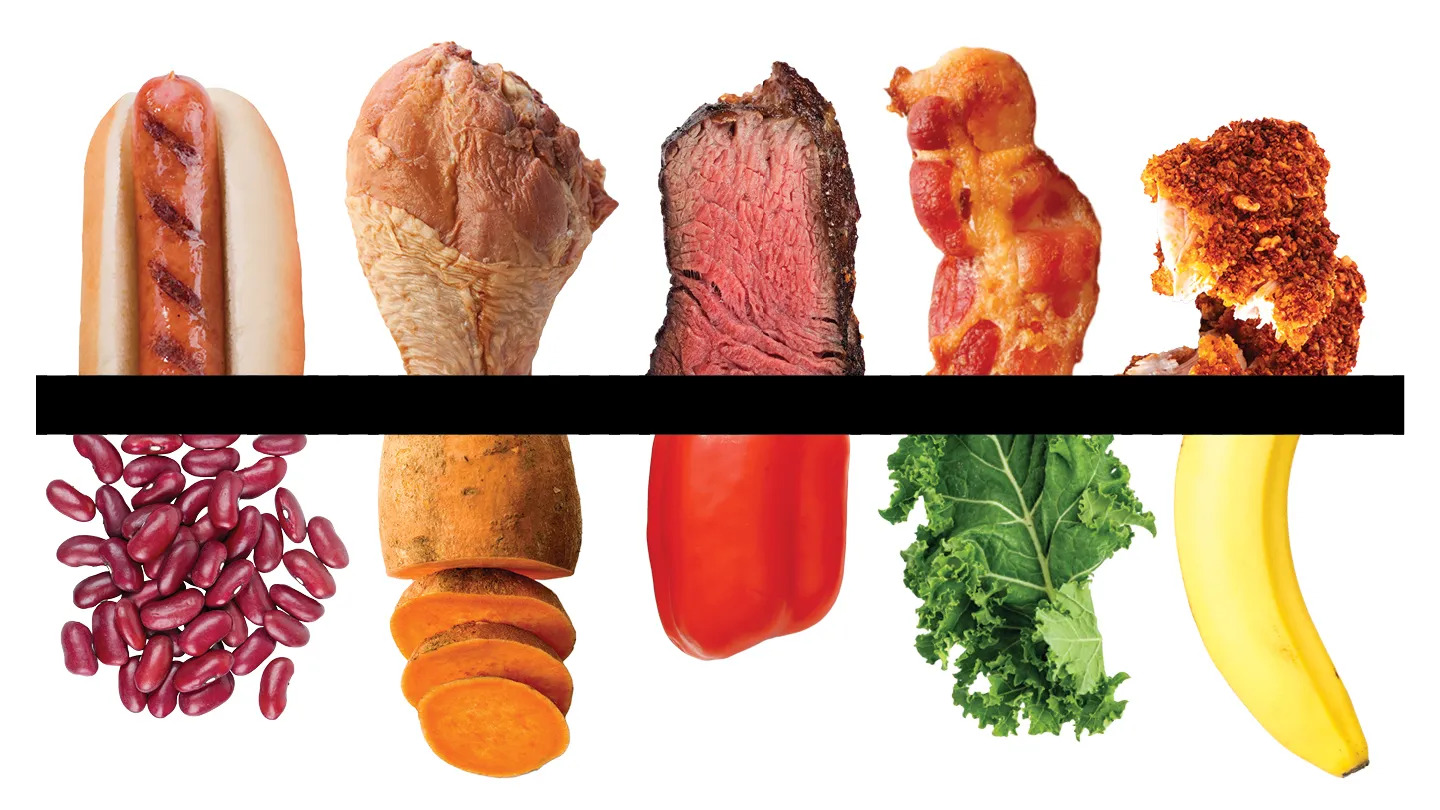
Most of the religious places have always been sanctuaries for spiritual seekers, providing solace and a sense of connection to something divine. Each place of worship is unique, with its own set of rituals, practices, and traditions. One fascinating aspect of these sacred spaces is the dietary preferences observed within their confines. There are lots of religious place in the world s where the preparation and consumption of non-vegetarian food are strictly prohibited.
The absence of meat from the menu is not merely a culinary choice but a profound expression of reverence for life, an acknowledgment that all living beings share a common essence.
The Harmony of Spirituality and Vegetarianism
Many religious traditions advocate for a harmonious coexistence with all living beings, emphasizing compassion and non-violence. This philosophy often extends to dietary choices, with followers opting for vegetarianism as a way of expressing their commitment to these principles. Temples, churches, mosques, and other religious spaces around the world embrace vegetarianism as a means of fostering a sense of purity and spiritual well-being.
The Hindu Perspective:
Many Hindu temples, especially those dedicated to deities like Lord Vishnu or Lord Shiva, strictly adhere to a vegetarian diet. Devotees believe that abstaining from meat consumption fosters a pure and sattvic (virtuous) environment, conducive to spiritual growth and self-realization.
The practice of not cooking non-vegetarian food in Hindu temples is deeply rooted in the religious and philosophical beliefs of Hinduism. This dietary restriction is based on several key principles that guide the lives of Hindu devotees, fostering a sense of spiritual purity and reverence for all living beings.
Ahimsa (Non-Violence): Ahimsa is a foundational principle in Hinduism, advocating for non-violence and harmlessness towards all living creatures. Devotees believe that by abstaining from the consumption of meat, they contribute to the practice of ahimsa, avoiding the harm and violence associated with taking the life of animals for food.
Purity and Sattvic Lifestyle: Hinduism categorizes food into three gunas or qualities — Sattva (goodness), Rajas (passion), and Tamas (ignorance). A sattvic diet, which is vegetarian, is considered conducive to spiritual growth, mental clarity, and overall well-being. Temples, as sacred spaces, aim to maintain an atmosphere of purity, and hence, the emphasis on sattvic food aligns with this objective.
Respect for All Forms of Life: Hinduism teaches that the divine exists in all living beings, and therefore, every form of life deserves respect. By avoiding the consumption of animal products, including meat, Hindus express their reverence for the interconnectedness of all life and acknowledge the presence of the divine in every living entity.
Religious Texts and Traditions: Hindu scriptures, including the Vedas and various Puranas, often promote vegetarianism and discourage the consumption of meat.
Karma and Spiritual Progress: Many Hindus believe in the concept of karma, the law of cause and effect. Consuming non-vegetarian food may be seen as contributing to negative karma, as it involves the taking of life. By adhering to a vegetarian diet, devotees aim to accumulate positive karma and facilitate spiritual progress.
It’s essential to note that while vegetarianism is a common practice in Hindu temples, dietary preferences can vary among individual practitioners and communities. Some Hindu sects and individuals may choose to include certain types of non-vegetarian food or observe vegetarianism more strictly based on their interpretation of religious texts and cultural practices.
Jainism: An Oasis of Non-Violence:
Jainism, one of the world’s oldest religions, places an unwavering emphasis on ahimsa, or non-violence. Jains follow a strict vegetarian diet, avoiding even root vegetables to minimize harm to living beings. Temples and Jain religious spaces, therefore, abstain from cooking or serving non-vegetarian food, creating a sacred haven where non-violence is at the core of existence.
Sikhs and the Langar Tradition:
Sikhism, founded by Guru Nanak in the 15th century, embraces a unique approach to community service through the langar, a community kitchen that serves free meals to all, regardless of caste, creed, or religion. The langar, an integral part of Sikh gurdwaras (temples), strictly adheres to a vegetarian menu. This practice embodies the Sikh principles of equality, humility, and selfless service.
Buddhism: Mindful Eating on the Path to Enlightenment:
Buddhism, with its roots in the teachings of Siddhartha Gautama, emphasizes mindfulness and compassion. Many Buddhist monasteries and temples practice vegetarianism as a means of cultivating compassion and minimizing harm to living beings. Devotees believe that consuming a vegetarian diet aligns with the path to enlightenment, fostering clarity of mind and a deep connection to the world.
Christian churches generally do not have specific dietary restrictions, and non-vegetarian food is commonly served or consumed within the church community. The practice of cooking and eating non-vegetarian food in churches is influenced by a combination of historical, cultural, and theological factors within Christianity.
Biblical Permissibility: Unlike some other religious traditions that may have specific dietary laws, Christianity, particularly in its New Testament teachings, does not impose strict dietary restrictions. In the New Testament, there are passages that affirm the permissibility of consuming various types of food.
Cultural Practices: The acceptance of non-vegetarian food in Christian churches is often influenced by the cultural practices of the regions in which churches are located. In many Western cultures, where Christianity has historically been predominant, non-vegetarian dishes are a common part of daily diets, and this is reflected in church gatherings and events.
Ritual celebrations :Christian churches often celebrate various liturgical events and feasts, some of which include the sharing of meals. In these contexts, a diverse range of foods, including non-vegetarian options, may be served to commemorate specific religious occasions or to foster a sense of community among church members.
Diversity: Christianity encompasses a wide range of denominations, each with its own traditions and practices. While some Christian denominations may observe fasting or dietary restrictions during specific seasons (such as Lent), these practices usually involve individual choices rather than strict institutional guidelines.
Visitors to these religious places often find themselves immersed in an atmosphere of tranquility and mindfulness, where the air is thick with a sense of spiritual devotion. The act of consuming vegetarian food becomes a shared ritual, reinforcing a sense of unity among the worshipers. Breaking bread, or rather sharing a vegetarian meal, becomes a powerful symbol of communal harmony and interconnectedness.
Moreover, the prohibition of non-vegetarian food in these religious spaces extends beyond the act of cooking. Devotees and visitors are encouraged to adhere to these dietary guidelines even outside the temple or sacred precincts.
The practice of serving exclusively vegetarian meals in religious places also has practical benefits. Vegetarian diets are often seen as more sustainable and environmentally friendly, aligning with the growing global awareness of the impact of food choices on the planet.
In a world that often seems divided, these sacred places stand as reminders of the universal threads that bind humanity, encouraging us to walk the path of spirituality with a heart that is open, inclusive, and mindful of the choices we make.
