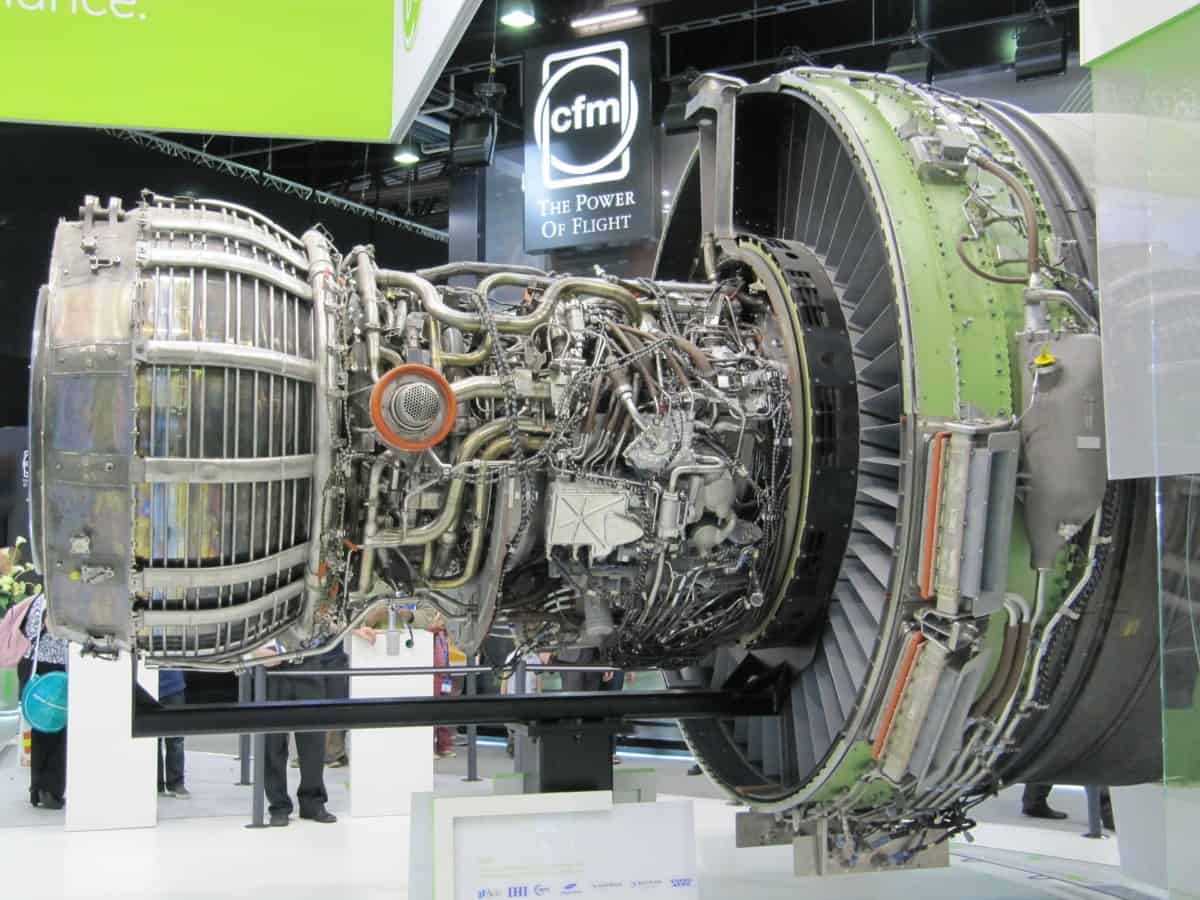
Aircraft have revolutionized the way we travel and connect the world, and at the heart of every flying machine lies its powerhouse: the aircraft engine. These marvels of engineering have evolved over the years, propelling aviation technology to new heights and making air travel safer, more efficient, and more accessible.
Aircraft engines come in various types, each with its unique design and operating principles. The two primary categories are piston engines and jet engines. Piston engines, also known as reciprocating engines, work by converting fuel combustion into linear motion, which drives a rotating propeller. These engines are commonly found in smaller aircraft and offer reliability and simplicity.
On the other hand, jet engines have transformed aviation with their exceptional speed, power, and efficiency. There are several types of jet engines, including turbojet, turbofan, turboprop, and turboshaft engines. Among these, the turbofan engine stands out as the most widely used for commercial aviation. It’s renowned for its ability to efficiently produce both thrust and bypass airflow, making it quieter and more fuel-efficient compared to traditional turbojet engines.
In recent years, advancements in aircraft engine technology have focused on enhancing fuel efficiency, reducing emissions, and minimizing noise pollution. Engineers are developing engines with improved aerodynamics, lightweight materials, and innovative combustion techniques. These innovations not only contribute to cleaner skies but also result in cost savings for airlines and passengers.
One of the key players in the aircraft engine industry is General Electric (GE), renowned for producing cutting-edge jet engines like the GE90 and the more recent GE9X. These engines power some of the world’s most prominent aircraft, ensuring long-haul flights can cover vast distances efficiently and comfortably.
As we move into the future, the aviation industry faces the challenge of developing even more sustainable propulsion technologies. Electric and hybrid-electric propulsion systems are gaining traction, promising reduced emissions and quieter operations. These technologies are particularly relevant for smaller aircraft operating within shorter distances, aiming to make regional travel more environmentally friendly.
In Goa, India, the burgeoning aviation industry is making its mark. Goa’s Dabolim Airport serves as a major gateway, connecting the region to domestic and international destinations. The state’s beautiful landscapes and growing economy have attracted not only tourists but also aviation enthusiasts and professionals. With advancements in aviation technology, it’s likely that Goa’s aviation sector will continue to expand, bringing with it economic growth and technological innovation.
Aircraft engines are the unsung heroes of modern transportation, enabling us to traverse vast distances in a matter of hours. From the early days of piston engines to the revolutionary jet engines of today, these powerhouses of flight continue to evolve, making air travel safer, faster, and more environmentally friendly. As the aviation industry looks toward sustainable solutions, places like Goa are poised to play an important role in shaping the future of flight.