India, a land of diverse cultures, traditions, and festivals, is known for its grand and vibrant celebrations throughout the year. Among these festivals, Diwali, also known as Deepavali, stands out as the most significant and eagerly awaited celebration. Diwali, the festival of lights, is not just an Indian festival but an expression of joy and unity that transcends borders and welcomes all to partake in its splendor.
Diwali: The Festival of Lights
Diwali, which typically falls in October or November, is a five-day festival that symbolizes the victory of light over darkness and good over evil. The festival gets its name from the row (avali) of clay lamps (deepa) that people light to decorate their homes. It signifies the triumph of knowledge and wisdom over ignorance.
Preparations for Diwali begin weeks in advance. People clean and decorate their homes, buy new clothes, and prepare a variety of delectable dishes. The atmosphere is filled with anticipation, as families and communities come together to celebrate this joyous occasion.
Day 1: Dhanteras
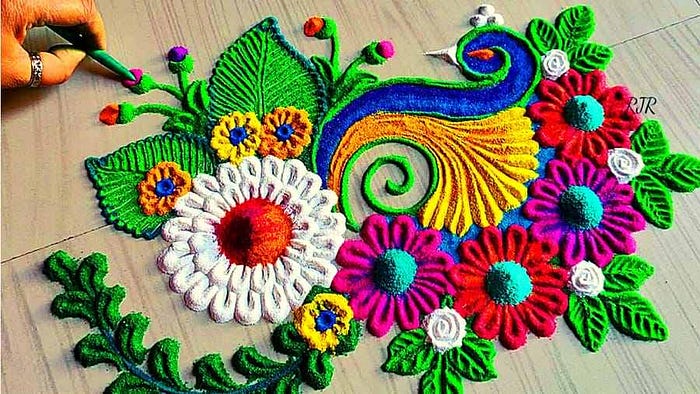
The celebration starts with Dhanteras, which is dedicated to wealth and prosperity. On this day, people purchase gold or silver items, and homes are adorned with rangoli (colorful designs made with colored powders) to welcome the Goddess of Wealth, Lakshmi.
Day 2: Naraka Chaturdashi
The second day, Naraka Chaturdashi, commemorates the defeat of the demon Narakasura by Lord Krishna. It is customary to take an oil bath before dawn, light lamps, and burst firecrackers to symbolize the vanquishing of evil.
Day 3: Diwali
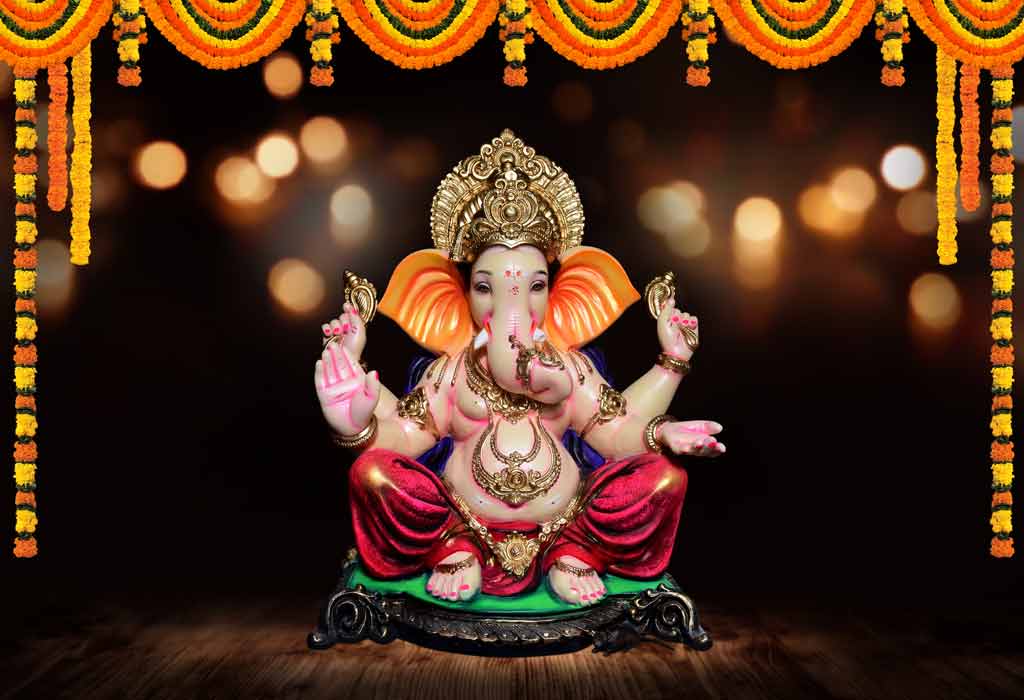
The main day of Diwali is marked by elaborate rituals. People decorate their homes with clay lamps, colorful lanterns, and flowers. Families gather for a special puja (prayer ceremony) dedicated to Goddess Lakshmi, the goddess of wealth, and Lord Ganesha, the remover of obstacles. Firecrackers are lit, and people exchange gifts and sweets with their loved ones.
Day 4: Govardhan Puja
The fourth day of Diwali, Govardhan Puja, is a celebration of Lord Krishna’s victory over Indra, the god of rain. Devotees build a small hill made of cow dung and worship it, symbolizing the Govardhan hill that Lord Krishna lifted to protect the people of Vrindavan from torrential rain.
Day 5: Bhai Dooj
The final day of Diwali, Bhai Dooj, is a day to honor the bond between brothers and sisters. Sisters apply a tilak (vermilion mark) on their brothers’ foreheads, pray for their well-being, and exchange gifts. It’s a day that reinforces the love and care shared between siblings.
Unity in Diversity
Diwali is celebrated with equal enthusiasm and fervor across India, but the traditions and customs can vary from region to region. In the north, Diwali is associated with the return of Lord Rama to Ayodhya after defeating Ravana, while in the south, it is linked to the victory of Lord Krishna over the demon Narakasura. The diversity in celebrations only serves to highlight the unity of the Indian people.
The Global Reach of Diwali
While Diwali is deeply rooted in Indian culture and traditions, its significance has transcended borders and gained recognition worldwide. In countries with significant Indian diaspora communities, such as the United States, Canada, the United Kingdom, and Australia, Diwali has become a widely celebrated and recognized festival. Many major cities around the world host Diwali events, illuminating iconic landmarks with colorful lights and hosting cultural performances to showcase the spirit of this grand festival.
Diwali’s Message of Light and Hope
Diwali represents much more than just a festive occasion; it carries a profound message that resonates with people of all backgrounds. The lighting of lamps and the bursting of firecrackers symbolize the triumph of light over darkness, knowledge over ignorance, and good over evil. This message of hope and positivity is universal and transcends religious and cultural boundaries.
One of the essential aspects of Diwali is the act of giving and sharing. Families exchange gifts and sweets, and people also extend their generosity to those less fortunate by donating to charity and helping those in need. It is a time when the spirit of giving is at its peak, fostering a sense of unity and compassion within communities.
The Significance of Rangoli and Decorations
One of the most enchanting aspects of Diwali is the intricate and colorful rangoli designs that adorn the entrances of homes. Rangoli is a traditional art form where patterns and designs are created on the ground or floors using colored powders, rice, or flower petals. People have turned to eco-friendly and noiseless firecrackers, reducing the environmental harm while still enjoying the spectacle of lights in the night sky.
Diwali, India’s biggest festival, is a time of joy, togetherness, and spiritual reflection. The festival transcends religious and cultural boundaries, making it a truly universal celebration of the victory of light over darkness and the triumph of good over evil. The five days of Diwali are a reminder of the importance of family, love, and unity, values that lie at the heart of Indian culture. So, whether you’re lighting a diya in India or attending a Diwali celebration overseas, you’re sure to feel the warmth and radiance of this magnificent festival of lights.