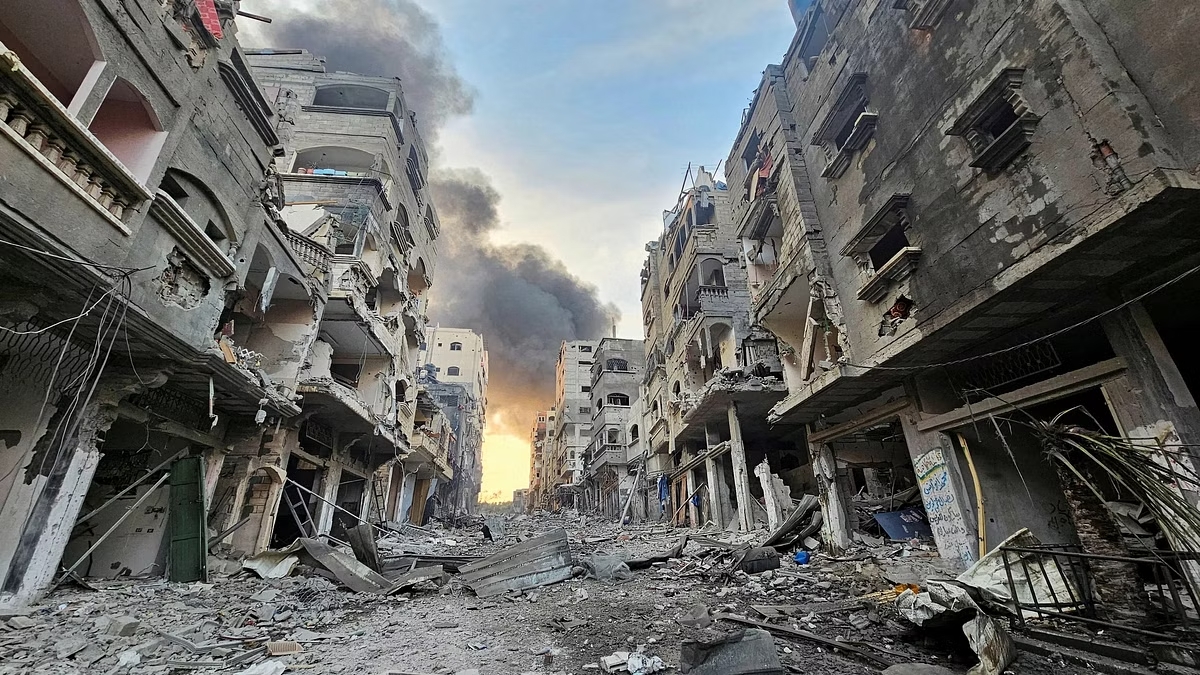
In the airstrike on Jabaliya, Israel used at least two 2,000-pound bombs, the second largest type in its arsenal. This strike occurred on October 31, 2023, in a densely packed neighborhood just north of Gaza City. The impact craters from these bombs were approximately 40 feet wide. According to Israel, their target was a Hamas commander, fighters, and the network of underground tunnels used by Hamas to hide weapons and fighters.
The use of such large bombs is not uncommon in military operations, especially when targeting underground infrastructure. However, the fact that they were deployed in a densely populated area like Jabaliya has raised questions about proportionality, specifically whether the intended military targets justify the civilian casualties and destruction caused by these strikes. Dozens of civilians were reported killed, and hundreds were wounded in this particular strike, as confirmed by hospital officials.
The use of 2,000-pound bombs in densely populated areas like Jabaliya inevitably raises concerns about civilian casualties and the broader impact on civilian life. Such bombs have a significantly larger blast radius and destructive power, which can lead to collateral damage in the form of destroyed homes, infrastructure, and, most tragically, the loss of innocent lives.
When assessing the proportionality of military actions, international laws and conventions, such as the Geneva Conventions, emphasize the importance of minimizing harm to civilians during armed conflicts. These principles underscore the necessity of distinguishing between military and civilian targets and taking all feasible precautions to protect non-combatants.
The use of such large munitions in civilian areas intensifies the urgency of scrutinizing the circumstances surrounding the strike, including the accuracy of targeting information, the potential presence of civilians at the time, and the overall military objective. While Israel maintains that its target was a Hamas commander and the network of tunnels used by Hamas, the high number of civilian casualties and the extensive damage to the densely populated neighborhood cast doubt on the precision and proportionality of the operation.
This incident serves as a stark reminder of the challenges faced in urban warfare, where civilian infrastructure and population centers are intermingled with military targets. Striking the right balance between fulfilling military objectives and safeguarding civilian lives remains a complex and contentious issue in conflict zones like the Gaza Strip.
In the wake of the Jabaliya airstrike, the international community faces an urgent need to address the complex dynamics of conflict in densely populated areas. It underscores the ongoing challenges in finding solutions that minimize harm to civilians during armed conflicts.
The use of powerful munitions in civilian neighborhoods is a matter of concern not only for those directly affected but also for global efforts to maintain peace and security. It emphasizes the importance of diplomatic efforts, peace negotiations, and international cooperation in seeking long-term resolutions to conflicts like the one in the Gaza Strip.
Efforts to prevent such tragedies in the future should focus on promoting diplomacy, dialogue, and humanitarian assistance. Moreover, the incident underscores the vital role of impartial observers and peacekeepers in conflict zones, as their presence can serve as a deterrent to the use of excessive force and help protect civilian lives.
Ultimately, the tragic consequences of the Jabaliya airstrike highlight the pressing need for the international community to work collectively toward a more peaceful and secure world, where conflicts are resolved through negotiation and where the lives of innocent civilians are safeguarded.
In the aftermath of such incidents, investigations are often conducted by international organizations, human rights groups, and governments to determine the legality and appropriateness of the military actions taken. These investigations aim to hold parties involved accountable for any violations of international humanitarian law and to help prevent similar tragedies in the future. The use of large bombs in populated areas underscores the importance of transparent and thorough inquiries into such incidents to ensure that justice is served and to promote the protection of civilian lives in conflict zones.

