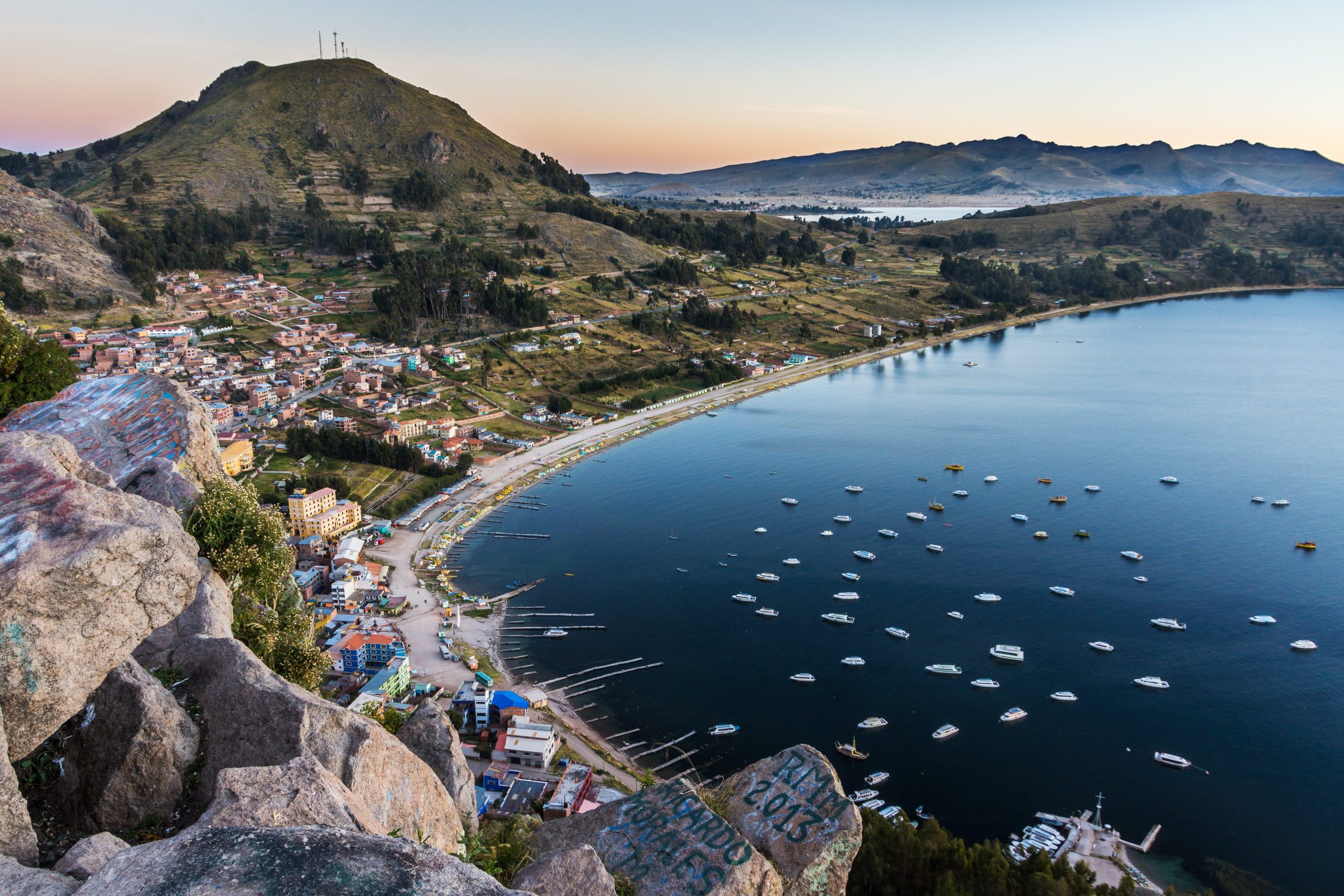
Located high in the heart of the Andes Mountains, Lake Titicaca stands as a mesmerizing jewel, captivating travelers with its breathtaking beauty and rich cultural significance. Straddling the borders of Peru and Bolivia, this iconic lake has been a source of fascination for explorers, historians, and wanderers alike
Geographical Marvel
Lake Titicaca is the world’s highest navigable lake, situated at an astounding altitude of approximately 3,800 meters (12,500 feet) above sea level. Spanning an area of over 8,000 square kilometers (3,100 square miles), it is often referred to as the “Birthplace of the Sun” and the “Sacred Lake” by the indigenous communities that surround it. The lake’s immense size and pristine azure waters against the backdrop of snow-capped peaks create a surreal and awe-inspiring sight for visitors.
Cultural Significance
For thousands of years, Lake Titicaca has been a cradle of civilization for numerous ancient cultures, including the Tiwanaku and the Inca. The legendary Sun Island (Isla del Sol) and Moon Island (Isla de la Luna) located on the Bolivian side of the lake are believed to be the birthplaces of the Sun and Moon deities in Inca mythology. These sites have been meticulously preserved and attract visitors seeking to immerse themselves in the spiritual heritage of the Andean civilizations.
Living Traditions
The shores of Lake Titicaca are dotted with indigenous communities that have maintained their traditional way of life for centuries. The Uros people, known as the “Water Tribe,” inhabit artificial floating islands made of totora reeds, a unique living arrangement that harkens back to ancient times. Visiting these islands offers a glimpse into their age-old customs, crafts, and daily routines that revolve around the lake’s abundant resources.
Taquile Island, located on the Peruvian side of the lake, is famous for its intricate textile artistry, recognized by UNESCO as a Masterpiece of the Oral and Intangible Heritage of Humanity. Each woven piece conveys cultural narratives, and the island’s inhabitants take great pride in preserving their heritage through this expressive medium.
Nature’s Bounty
Lake Titicaca is not only a reservoir of history and culture but also a thriving ecosystem. It is home to various endemic species of fish, birds, and aquatic plants. The Titicaca water frog, an endangered species, calls these waters its home. Birdwatchers will be delighted by the sight of Andean coots, giant coots, and many other migratory birds that frequent the lake’s shores.
Visiting Lake Titicaca
Puno, a charming city on the Peruvian side, serves as a gateway to Lake Titicaca. Travelers can easily access various islands and engage in day trips or multi-day excursions to fully experience the magic of the lake. The city of Copacabana in Bolivia is another popular starting point for exploring the lake’s wonders.
Whether you choose to sail across its vast expanse, hike through ancient trails, or simply immerse yourself in the warm hospitality of the local communities, Lake Titicaca offers an unforgettable adventure, leaving visitors with memories that will last a lifetime.
Preserving a Fragile Gem
Despite its allure, Lake Titicaca faces challenges related to pollution and climate change. As responsible travelers, it is crucial to support sustainable tourism practices and be mindful of the delicate ecosystem. Choosing eco-friendly tour operators and respecting the customs of the local communities are essential steps in preserving this natural wonder for future generations.
Conservation Efforts
Fortunately, awareness of Lake Titicaca’s environmental issues has grown, leading to several conservation initiatives. Local organizations, governments, and international partners have joined hands to protect the lake’s unique biodiversity and cultural heritage.
One of the significant environmental concerns is water pollution caused by agricultural runoff and untreated sewage. Efforts are underway to improve waste management systems in the lakeside towns and to promote eco-friendly farming practices. Additionally, initiatives are focused on restoring wetlands and reforestation to maintain the lake’s ecological balance.
Cultural preservation is also a priority. Sustainable tourism practices emphasize the importance of preserving the authentic cultural experiences of the local communities. Tour operators collaborate with indigenous groups to ensure that tourism benefits the residents economically without negatively impacting their way of life or cultural traditions.
Responsible Tourism
As visitors, we have a vital role in safeguarding Lake Titicaca’s future. Here are some tips to make your journey both enjoyable and eco-conscious:
Choose Responsible Tour Operators: Before booking your tour, research and select operators with a proven commitment to sustainable practices. Look for companies that support the local economy and engage in environmental conservation efforts.
Respect Local Customs: The communities around Lake Titicaca have a rich cultural heritage, and it’s essential to respect their traditions and way of life. Seek permission before taking photographs of people or their homes, and participate in local customs with humility and understanding.
Minimize Plastic Use: Help reduce plastic waste by bringing reusable water bottles and bags. Many areas around the lake lack proper waste management, so reducing your plastic footprint can make a significant impact.
Conserve Water: Water is a precious resource in this region. Use water sparingly and consider taking shorter showers and turning off taps when not in use.
Learn and Appreciate: Take the time to learn about the history, myths, and traditions associated with Lake Titicaca. The more you understand and appreciate its cultural and ecological significance, the more meaningful your experience will be.
Support Local Artisans: Purchase handicrafts directly from local artisans, supporting their traditional crafts and economic livelihood.
Here are some more highlights that await those who embark on a journey to this enchanting region:
Chullpas of Sillustani: Located near Puno, Peru, the Chullpas of Sillustani are ancient funerary towers built by the pre-Inca Colla people. These cylindrical stone structures stand tall against the backdrop of the Umayo Lagoon, creating a mesmerizing sight. Exploring this archaeological site provides insight into the burial rituals and beliefs of ancient Andean civilizations.
Amantani Island: A visit to Amantani Island promises an authentic and immersive cultural encounter. This peaceful island is home to Quechua-speaking communities known for their warm hospitality. Spend a night with a local host family, participate in traditional rituals, and enjoy captivating folk performances and dances unique to the island’s residents.
Taquile Island Textiles: Taquile Island, on the Peruvian side of the lake, is renowned for its intricate textile artistry. The island’s inhabitants have mastered the art of weaving, using techniques passed down through generations. Each textile tells a story, reflecting the islanders’ way of life and their connection to the natural world.

Inca Utama: Situated on the Bolivian side of Lake Titicaca, Inca Utama is an eco-resort that offers visitors a chance to learn about the region’s history and culture. Experience a reenactment of an ancient Aymara wedding, savor traditional Andean cuisine, and witness mesmerizing folk performances.
Suasi Island: If you seek tranquility and seclusion, Suasi Island is the perfect destination. This private island retreat offers a peaceful escape amid the natural beauty of the lake. Enjoy hiking, birdwatching, stargazing, and savor the stunning sunsets over the water.
Huaca de la Luna: On the Peruvian side, near the town of Moquegua, you can explore the archaeological site of Huaca de la Luna (Temple of the Moon). This ancient adobe pyramid was a sacred site for the Moche civilization, known for its intricate murals and artifacts.
Copacabana: A charming town on the Bolivian shore of Lake Titicaca, Copacabana serves as a starting point for many lake excursions. It is also home to the revered Basilica of Our Lady of Copacabana, a significant pilgrimage site for Bolivians.
Moon Island: Isla de la Luna, or Moon Island, is shrouded in mystery and is believed to have been a religious site for the Inca civilization. Explore its ancient ruins and witness stunning views of the surrounding landscapes.
Kayaking and Canoeing: For adventurous souls, exploring the lake’s waters by kayak or canoe is a fantastic way to immerse yourself in its serenity and discover hidden coves and remote islands.
Whether you embark on a boat journey to ancient islands, hike along ancient paths, or simply sit on the shores to admire the horizon, let the spirit of Lake Titicaca touch your soul and awaken your sense of wonder for this extraordinary corner of the world. Together, we can become guardians of this natural wonder, preserving its cultural heritage and biodiversity for many generations to come.
Lake Titicaca’s allure lies not only in its famous landmarks but also in the intangible spirit that pervades its shores. Whether you come seeking cultural insights, natural wonders, or a chance to disconnect from the world, this mystical lake offers an unforgettable experience that will linger in your heart long after you bid farewell to its azure waters.
The best time to visit Lake Titicaca largely depends on your preferences and the type of experience you seek. The region experiences distinct weather patterns throughout the year, each offering its own unique charm. Here are the main seasons to consider:
Dry Season (May to October): The dry season is considered the best time to visit Lake Titicaca, particularly for those who prefer mild weather and clear skies. From May to October, the days are generally sunny, and rain is minimal. The temperatures are cooler, especially at night, so it’s advisable to bring layers to stay warm. During this time, you can expect smooth boat rides, excellent visibility, and a lower chance of experiencing travel disruptions due to weather.
High Tourist Season (June to August): The dry season also coincides with the high tourist season, especially in July and August. These months are peak travel times, and popular attractions and accommodations can get crowded. Booking in advance is recommended during this period. Despite the higher number of tourists, the clear weather and pleasant temperatures make it an ideal time for outdoor activities and exploring the islands and archaeological sites.
Wet Season (November to April): The wet season in Lake Titicaca typically starts in November and lasts until April. During these months, rain showers and occasional thunderstorms are common. While the landscape becomes lush and green, the weather can be unpredictable, and heavy rains might lead to temporary disruptions in boat services. However, some travelers prefer this time for its more vibrant scenery and fewer crowds.
Festival Season: If you’re interested in experiencing the vibrant local culture and traditional festivities, consider visiting Lake Titicaca during its festival season. The most notable festival is the Virgen de la Candelaria festival in Puno, which takes place in February. This extravagant celebration features colorful parades, traditional dances, and captivating music, offering a unique insight into the region’s cultural heritage.
Cultural Immersion: Lake Titicaca is steeped in rich cultural heritage, with its shores inhabited by indigenous communities that have preserved their traditional way of life for centuries. Travelers, especially families, are drawn to the opportunity to immerse themselves in the customs, rituals, and daily activities of these unique cultures. Staying with local families, participating in traditional ceremonies, and learning about ancient Inca myths offer a profound and educational experience for both adults and children.
Unique Floating Islands: The Uros people, known as the “Water Tribe,” live on fascinating floating islands made entirely of totora reeds, a rare and remarkable sight for visitors. Families and tourists are intrigued by the ingenuity and resourcefulness of the Uros people in creating their homes on these artificial islands. Exploring these floating communities allows for a one-of-a-kind experience that sparks curiosity and wonder.
Scenic Beauty: Lake Titicaca’s natural beauty is awe-inspiring, with its vast expanse of azure waters surrounded by the majestic Andes Mountains. Families and tourists are captivated by the stunning landscapes and the opportunity to indulge in activities like boat rides, kayaking, and hiking along ancient trails. The breathtaking panoramas provide the perfect backdrop for unforgettable family photos and cherished vacation memories.
Archaeological Sites: The lake’s islands, particularly Isla del Sol and Taquile Island, boast archaeological sites that hold great historical significance. Families and tourists are drawn to explore the ruins, temples, and terraces that offer a glimpse into the ancient civilizations that once thrived in the region. It presents an excellent opportunity for educational and cultural enrichment.
Eco-Tourism and Outdoor Activities: Lake Titicaca’s surroundings offer a range of eco-tourism activities suitable for families and tourists seeking adventure and connection with nature. Birdwatching, hiking, and stargazing are popular pastimes, allowing visitors to appreciate the region’s diverse wildlife and stunning night skies.
Virgen de la Candelaria Festival: The Virgen de la Candelaria festival held in Puno during February attracts families and tourists seeking to experience the vibrant cultural celebrations of the region. The colorful parades, traditional dances, and lively music create a festive atmosphere that appeals to people of all ages.
Family-Friendly Accommodations: The region offers a range of family-friendly accommodations, including hotels and guesthouses that cater to the needs of visitors traveling with children. Many lodgings provide cultural activities and amenities suitable for families, ensuring a comfortable and enjoyable stay.
In summary, Lake Titicaca’s fame among families and tourists can be attributed to its captivating cultural experiences, stunning natural beauty, archaeological treasures, and family-friendly activities. It offers a unique blend of adventure, education, and relaxation, making it an unforgettable destination for travelers of all ages.