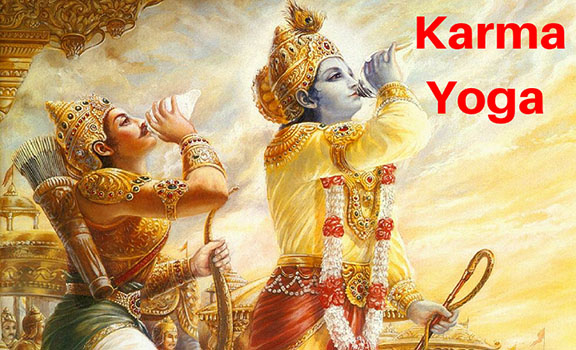
Karma Yoga is one of the four main paths of spiritual practice in Hindu philosophy, alongside Bhakti Yoga (path of devotion), Jnana Yoga (path of knowledge), and Raja Yoga (path of meditation). The term “karma” translates to “action,” and Karma Yoga is often referred to as the path of selfless action.
Definition and Principles:
Karma Yoga is centered around the idea of performing actions without attachment to the outcomes. It emphasizes that one should focus on their duties and responsibilities, while relinquishing desires for personal gains or rewards. The foundational principle is to act selflessly, dedicating the fruits of one’s actions to a higher power or the greater good.
Detachment from Results:
In Karma Yoga, the individual learns to detach their sense of self-worth and identity from the results of their actions. Success and failure are viewed as transient and secondary, while the intention behind the action holds primary importance. By acting without being driven by success or fear of failure, an individual can maintain equanimity in various life situations.
Performing Duties and Responsibilities:
Karma Yoga encourages individuals to fulfill their responsibilities and duties diligently. Whether it’s personal, professional, or societal roles, performing them with sincerity and dedication is considered a form of spiritual practice. By doing so, one contributes positively to their surroundings and society at large.
Service to Others:
Selfless service (seva) is a crucial aspect of Karma Yoga. Engaging in acts of kindness and service to others without expecting anything in return is a way to dissolve the ego and cultivate a sense of unity with all beings. By alleviating the suffering of others, individuals uplift their own consciousness.
Examples from History:
Prominent figures like Mahatma Gandhi and Mother Teresa exemplified Karma Yoga in their lives. Gandhi’s unwavering commitment to India’s independence and his emphasis on nonviolent action showcased the principles of selfless service and detachment. Mother Teresa’s lifelong dedication to helping the destitute and dying reflected her deep understanding of Karma Yoga.
Benefits:
Inner Peace: Practicing Karma Yoga can lead to a sense of inner peace as one learns to accept whatever comes their way, without being disturbed by the outcomes.
Reduced Stress: Detaching from results can help individuals manage stress and anxiety, as they focus on the process rather than worrying about the results.
Spiritual Growth: By engaging in selfless actions and detaching from personal desires, individuals can experience profound spiritual growth and self-transformation.
Improved Relationships: Acting selflessly improves interpersonal relationships as it reduces conflicts arising from ego-driven actions.
In essence, Karma Yoga teaches that true fulfillment comes from acting selflessly and contributing positively to the world. By dedicating actions to a higher purpose and practicing detachment, individuals can experience a deeper sense of purpose, inner harmony, and spiritual evolution.