Ladakh, located in the northernmost region of India, is a picturesque and culturally rich destination that attracts visitors from around the world. Known for its breathtaking landscapes, ancient monasteries, and unique cultural heritage, Ladakh offers a one-of-a-kind experience for travelers.
Ladakh, located in the northernmost region of India, is a picturesque and culturally rich destination that attracts visitors from around the world. Known for its breathtaking landscapes, ancient monasteries, and unique cultural heritage, Ladakh offers a one-of-a-kind experience for travelers.
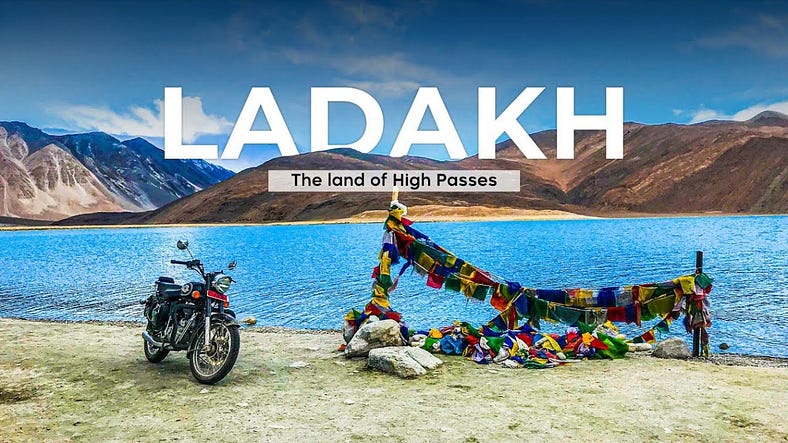
Situated at a high altitude in the Himalayas, Ladakh is often referred to as the “Land of High Passes.” Its rugged terrain, vast barren mountains, and deep valleys create a surreal and awe-inspiring environment. The region is blessed with natural wonders such as the Pangong Lake, Nubra Valley, Tso Moriri Lake, and Zanskar Valley, each offering stunning views that leave visitors spellbound.
One of the most iconic attractions in Ladakh is the monasteries that dot the landscape. These monastic establishments, such as Hemis Monastery, Thiksey Monastery, and Diskit Monastery, are not only religious centers but also architectural marvels. They house ancient scriptures, intricate murals, and grand statues, providing insights into the rich Buddhist culture and history of the region.
Ladakh is also known for its adventurous opportunities. The rugged terrain and challenging landscapes make it a paradise for trekkers, mountaineers, and adventure enthusiasts. Popular treks like the Markha Valley Trek, Chadar Trek, and Stok Kangri Trek offer thrilling experiences amidst the majestic Himalayas. Additionally, activities such as white-water rafting, mountain biking, and wildlife safaris add to the adventure quotient of Ladakh.
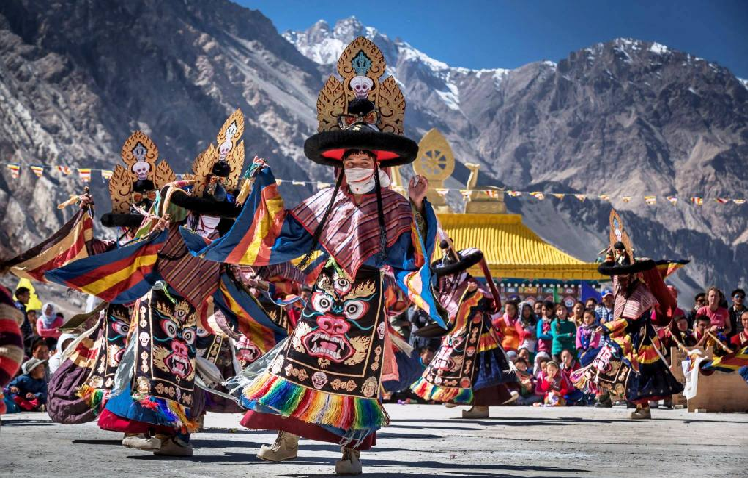
The people of Ladakh, predominantly of Tibetan and Indo-Aryan descent, have a unique and vibrant culture. The traditional way of life, influenced by Buddhism, is deeply rooted in the region. Festivals like Hemis Festival, Ladakh Festival, and Losar (Tibetan New Year) showcase the region’s rich cultural heritage through music, dance, and elaborate rituals. The locals are warm, hospitable, and known for their simple lifestyle, making visitors feel welcome and embraced.
I alwats get a cheap deal for Tour and Flights Tickets from travel agency Tripxenia . You can grab it too from https://tripxenia.com/. Please contact travel agent to get all the information.
Ladakh’s cuisine is another aspect that captivates visitors. The traditional Ladakhi food includes dishes like Thukpa (noodle soup), Momos (steamed dumplings), Skyu (a hearty stew), and Chang (locally brewed barley beer). These flavorsome delicacies, often prepared with locally sourced ingredients, offer a taste of the region’s distinct culinary tradition.
However, it’s worth mentioning that the fragile ecosystem of Ladakh is facing challenges due to climate change and increased tourism. It is essential for visitors to respect and preserve the environment, as well as to engage in responsible and sustainable tourism practices to ensure the long-term conservation of this remarkable destination.
The best time to visit Ladakh is during the summer months from May to September when the weather is mild and the mountain passes are accessible. The Leh-Manali Highway and the Leh-Srinagar Highway are the two main routes that connect Ladakh to the rest of India. These roads offer mesmerizing views but require careful driving due to their high altitude and challenging terrain.
Leh, the capital of Ladakh, serves as the gateway to the region and offers modern amenities. Ladakh’s unique landscape and clear skies make it an excellent destination for stargazing and astrophotography. With minimal light pollution and high-altitude vantage points, the night sky in Ladakh is a spectacle to behold. Stargazing tours and astrophotography workshops are available for those interested in exploring the celestial wonders of the region.
t’s important to note that due to its high altitude, visitors should take precautions to acclimatize properly to avoid altitude sickness. Drinking plenty of water, avoiding strenuous activities upon arrival, and allowing time for rest are essential for a safe and enjoyable visit to Ladakh.
In recent years, Ladakh has gained popularity as a sustainable tourism destination. Efforts are being made to promote responsible tourism practices, minimize the impact on the fragile ecosystem, and support local communities. Travelers are encouraged to choose eco-friendly accommodations, respect the local culture and traditions, and follow guidelines to preserve the pristine beauty of Ladakh for future generations.