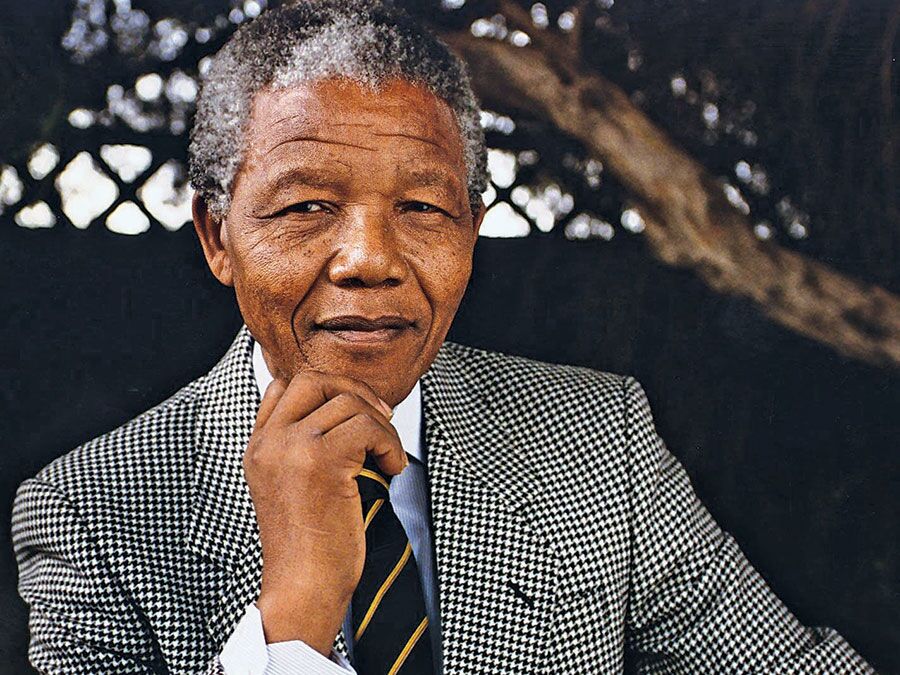
Nelson Mandela, a name synonymous with resilience, compassion, and freedom, remains one of the most revered figures in modern history. Born in a time of deep racial division and discrimination, he emerged as a beacon of hope, leading South Africa through a transformative era. His unwavering commitment to justice, reconciliation, and equality made him a true hero, leaving an indelible mark on the world.
Early Life and Activism
Rolihlahla Mandela, later known as Nelson Mandela, was born on July 18, 1918, in a small village in the Eastern Cape of South Africa. From an early age, he witnessed the racial injustices faced by black South Africans under the oppressive apartheid regime. Inspired by his father’s teachings and tribal customs, Mandela developed a sense of social justice and a desire to challenge the status quo.
In his youth, Mandela became involved in anti-colonial politics and joined the African National Congress (ANC) in 1943. Through peaceful protests, civil disobedience, and activism, he fought to dismantle the apartheid system that enforced racial segregation and discrimination.
Imprisonment and Resilience
Mandela’s commitment to ending apartheid led to his arrest and subsequent imprisonment in 1962. He was sentenced to life in prison for his involvement in anti-apartheid activities. For 27 years, Mandela endured harsh conditions on Robben Island and other prisons. Despite facing immense adversity, he remained steadfast in his pursuit of justice and equality for all South Africans.
During his imprisonment, Mandela’s reputation as a symbol of resistance grew both locally and internationally. His imprisonment became a rallying point for anti-apartheid activists around the world, demanding his release and an end to apartheid.
The Long Walk to Freedom
In 1990, after years of international pressure and internal resistance, the South African government finally released Nelson Mandela from prison. His release marked a pivotal moment in history, signifying the beginning of the end for apartheid.
Upon his release, Mandela took the helm of negotiations with the government, leading to the dismantling of apartheid and the establishment of free and fair democratic elections in 1994. These elections saw Mandela become the first black president of South Africa, and his inauguration was a defining moment of hope and unity for the nation.
Presidency and Reconciliation
As president, Mandela’s vision was one of reconciliation, not revenge. He understood that South Africa could not move forward without addressing the wounds of the past. Instead of seeking retribution, he established the Truth and Reconciliation Commission (TRC), which allowed perpetrators of human rights violations to confess their crimes and seek amnesty. The TRC aimed to heal the nation and foster a sense of unity among its diverse population.
Mandela’s leadership and commitment to reconciliation earned him respect and admiration worldwide. He became a symbol of peace and a powerful advocate for human rights, democracy, and equality.
Nelson Mandela’s legacy extends far beyond the borders of South Africa. His dedication to justice, forgiveness, and unity has inspired generations of leaders and activists across the globe. He received numerous international awards and honors, including the Nobel Peace Prize in 1993, which he shared with South African President F.W. de Klerk for their efforts to peacefully end apartheid.
After leaving the presidency, Mandela continued to champion causes such as education, HIV/AIDS awareness, and poverty alleviation. He remained a respected elder statesman, using his influence to promote peace and equality.
Nelson Mandela’s life story is a testament to the power of perseverance, compassion, and forgiveness. From his early days as a freedom fighter to his presidency and beyond, he showed the world the transformative potential of steadfast dedication to justice and reconciliation.
Though Mandela passed away in December 2013, his spirit lives on in the hearts of those who continue to fight for a more just and equal world. He will forever be remembered as an icon of peace, a unifier of nations, and a symbol of hope for humanity.
in the heart of Johannesburg, South Africa, Nelson Mandela’s Square stands as a testament to the indomitable spirit and enduring legacy of one of the world’s most revered leaders, Nelson Mandela

Explore in the heart of Johannesburg, South Africa, Nelson Mandela’s Square stands as a testament to the indomitable spirit and enduring legacy of one of the world’s most revered leaders, Nelson Mandela.
This public space, once known as Sandton Square, was renamed in 2004 to honor the iconic anti-apartheid revolutionary and South Africa’s first democratically elected president, Nelson Mandela.
Honoring Nelson Mandela’s Legacy
Nelson Mandela’s Square was renamed as a tribute to the extraordinary life and contributions of Nelson Mandela. Born in 1918, Mandela’s unwavering dedication to the struggle against apartheid and his advocacy for human rights made him a global symbol of resistance and reconciliation. By renaming this prominent public space, the people of South Africa sought to perpetuate his ideals, ensuring that future generations would never forget the price of freedom and equality.
A Monument of Unity
At the heart of Nelson Mandela’s Square stands a towering bronze statue of the man himself. The six-meter-tall (approximately 20 feet) statue captures the essence of Mandela’s powerful presence, depicting him with an outstretched arm and a fist raised in determination — a symbol of his lifelong fight against injustice. This awe-inspiring monument serves as a rallying point for people from all walks of life, transcending racial and cultural boundaries. It represents the unity that Mandela tirelessly sought to achieve, where all South Africans could stand together as one.
A Hub of Cultural Vibrancy
Nelson Mandela’s Square has evolved into a vibrant hub of cultural activity in Johannesburg. Surrounded by upscale shops, restaurants, and cafes, the square attracts both locals and tourists, creating a dynamic atmosphere that showcases the city’s diversity. Musicians, street performers, and artists often gather here to entertain visitors, adding a touch of creativity and expression to the surroundings. The square has become a meeting point for people to celebrate, commemorate, and engage in discussions about Mandela’s legacy and the ongoing journey towards a just and inclusive society.
A Site for Reflection and Learning
Beyond its lively ambiance, Nelson Mandela’s Square serves as a place for contemplation and learning. The statue of Mandela, frozen in time, reminds visitors of the sacrifices made during the struggle against apartheid. It encourages reflection on the resilience of the human spirit and the power of forgiveness and reconciliation. For many South Africans, the square is a living history lesson, prompting conversations about the nation’s past and its continued efforts to build a better future.
Inspiring a Better Tomorrow
More than just a physical space, Nelson Mandela’s Square embodies the timeless ideals that Nelson Mandela championed throughout his life. It inspires hope for a better tomorrow, where the principles of justice, equality, and human dignity prevail. The square stands as a beacon of light, calling on each individual to contribute to their community, embrace diversity, and uphold the values Mandela cherished.
The Freedom Concert
One evening, as the sun dipped below the horizon, Nelson Mandela’s Square came alive with the sound of music and laughter. The square was hosting a special Freedom Concert, celebrating the legacy of Nelson Mandela and the triumph over apartheid. People from all backgrounds gathered, their faces reflecting the diverse tapestry of South Africa.
Local musicians, some of whom had once been activists during the apartheid era, took the stage to share their songs of struggle and hope. The melodies carried powerful messages of unity, love, and the resilience of the human spirit. As the night progressed, the crowd swayed in unison, chanting freedom songs that had echoed on the streets during the darkest days of oppression.
Amidst the celebration, an elderly man stood near the statue of Nelson Mandela, his eyes glistening with tears. He shared his experiences of being imprisoned during apartheid, recalling the harsh conditions and the loss of friends who had fought alongside him. Yet, he also spoke of the indomitable spirit that had kept them going, buoyed by the belief in a better future.
The concert not only celebrated the achievements of the past but also served as a reminder that the struggle for justice and equality continues. The square became a gathering point for people to renew their commitment to the values that Mandela embodied — forgiveness, reconciliation, and the pursuit of a truly inclusive society.
Upscale Shopping:
As part of the Sandton City shopping complex, Nelson Mandela Square is a paradise for shoppers. The square boasts an array of high-end stores, boutique shops, and international brands, making it a premier destination for luxury shopping in Johannesburg. From fashion and jewelry to homeware and souvenirs, visitors can indulge in a world-class retail experience.
Fine Dining:
The square is renowned for its exceptional dining scene, with a variety of restaurants, cafes, and eateries that cater to diverse culinary preferences. Whether you’re in the mood for authentic South African cuisine or international flavors, the dining options at Nelson Mandela Square promise a delightful gastronomic journey.
Live Performances:
Beyond the Freedom Concert mentioned earlier, Nelson Mandela Square frequently hosts live performances and entertainment events. From music concerts to theatrical performances and cultural showcases, the square’s open-air spaces create a captivating ambiance that enhances the audience’s experience.
The International Art Festival
Nelson Mandela’s Square became a canvas of creativity during the International Art Festival, where artists from all over the world gathered to showcase their talents and pay tribute to the great leader. The square’s cobblestone pathways were transformed into a gallery of breathtaking murals, sculptures, and installations, each reflecting themes of peace, freedom, and human rights.
One particular art installation drew the attention of passersby. It was an interactive exhibit titled “The Journey to Freedom.” The installation comprised a labyrinth with mirrored walls, symbolizing the struggle against apartheid. As visitors navigated the maze, they encountered inspiring quotes from Nelson Mandela, etched on the mirrors. At the center of the labyrinth stood a life-sized sculpture of Mandela, inviting visitors to stand in his shoes, encouraging empathy and understanding.
Throughout the festival, workshops and discussions were held, exploring the role of art in promoting social change and unity. Visitors engaged in thought-provoking conversations, sharing their perspectives and experiences.
The art festival not only highlighted the incredible creativity of artists but also demonstrated the power of art to transcend barriers and communicate universal messages of hope and resilience. The square, adorned with these powerful artworks, became a living testament to the enduring impact of Nelson Mandela’s vision on the world of art and expression.
The Youth Leadership Summit
A group of young leaders from various South African provinces gathered at Nelson Mandela’s Square for a Youth Leadership Summit. These young men and women were committed to carrying forward the legacy of Mandela, and the square was the perfect setting for their discussions.
Under the watchful gaze of Mandela’s statue, they engaged in workshops and seminars, sharing their ideas and projects aimed at addressing social issues in their communities. They discussed ways to promote education, tackle youth unemployment, and build bridges across racial and cultural divides.
A highlight of the summit was a panel of guest speakers, including former activists who had stood shoulder-to-shoulder with Nelson Mandela during the struggle against apartheid. Their stories of resilience and determination inspired the young leaders, reinforcing the idea that they too could make a difference.
The summit concluded with a symbolic candlelight ceremony, where each participant held a lit candle, passing the flame from one to another. This act symbolized the passing on of Mandela’s torch of leadership and hope to the next generation.
As the young leaders departed from Nelson Mandela’s Square, they left with a renewed sense of purpose and commitment to creating a better future for their country. The square had become a source of inspiration, a place where the past and present converged, and where the future of South Africa was being shaped by the leaders of tomorrow.
Nelson Mandela’s Square is a living tribute to a man who left an indelible mark on the world. It encapsulates the struggles and triumphs of the South African people and reminds us of the power of resilience, unity, and compassion. As we walk through this square, we are reminded of Nelson Mandela’s message that every person has the capacity to make a difference, and it is through collective efforts that we can shape a world where freedom and equality reign. Nelson Mandela’s Square will forever stand as a testament to the enduring spirit of one man’s vision for a better, more inclusive world.