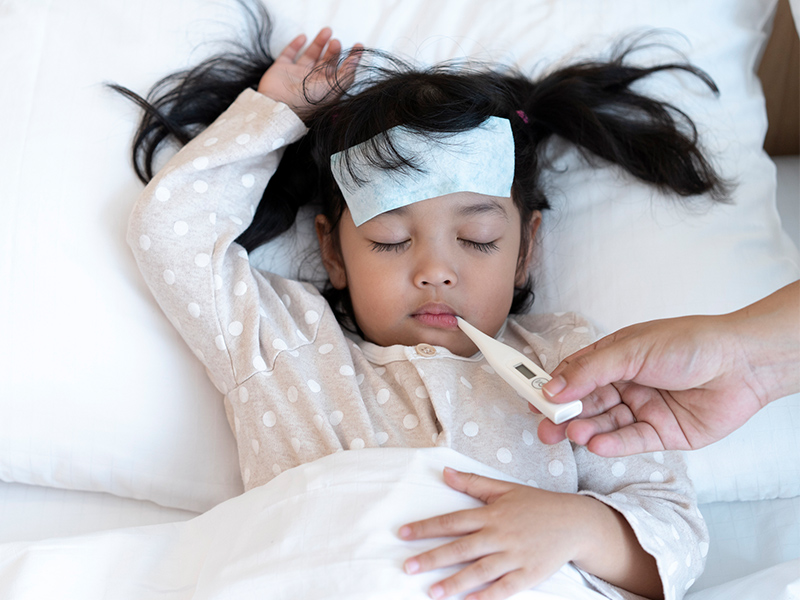
Winter brings with it many delights, such as snowflakes and cozy evenings by the fireplace. However, it also ushers in a season of increased vulnerability to various viruses, which can be especially challenging for children.
Common Winter Viruses
Influenza (Flu): Influenza is a highly contagious respiratory virus that can cause fever, cough, sore throat, body aches, and fatigue. Children are particularly susceptible to the flu, and it can lead to severe complications like pneumonia.
Respiratory Syncytial Virus (RSV): RSV is a common winter virus that affects the respiratory tract, leading to symptoms like coughing, wheezing, and difficulty breathing, particularly in infants and young children.
Common Cold: The common cold is caused by various viruses, including rhinoviruses. Symptoms include a runny or stuffy nose, sneezing, and a sore throat, which can be particularly bothersome for children.
Effects on Children
Increased Vulnerability: Children, especially those with developing immune systems, are more susceptible to winter viruses due to their close contact with peers in schools and daycare settings. Their immune systems are still developing, making them less equipped to fend off infections effectively.
Missed School Days: Winter viruses can lead to missed school days, disrupting a child’s education. Frequent illnesses can hinder academic progress and social interactions.
Respiratory Distress: Respiratory viruses like RSV can cause severe breathing difficulties in children, especially in infants. This may necessitate hospitalization and oxygen support.
Secondary Infections: Winter viruses can weaken a child’s immune system, making them more prone to secondary bacterial infections, such as ear infections, sinusitis, and pneumonia.
Spread to Vulnerable Groups: Children can transmit these viruses to more vulnerable populations, like the elderly, pregnant women, or individuals with underlying health conditions, who may experience severe consequences if infected.
Prevention and Management
Vaccination: Annual flu vaccinations are recommended for all children over six months of age. While there is no vaccine for the common cold, maintaining immunizations can reduce the severity of illnesses.
Hygiene: Teach children proper handwashing and respiratory hygiene, including covering their mouth and nose when sneezing or coughing.
Avoiding Crowded Places: During peak virus seasons, limiting exposure to crowded places can reduce the risk of infection.
Adequate Nutrition: Encourage a balanced diet to boost a child’s immune system, and ensure they get plenty of sleep to support their overall health.
Prompt Medical Attention: Seek medical care if a child exhibits severe symptoms, like high fever, breathing difficulties, or signs of dehydration.
Stress Management: Reducing stress in a child’s life can also be a crucial part of maintaining their health. High stress levels can weaken the immune system, so creating a calm and supportive environment at home is essential.
Proper Ventilation: Ensure that indoor spaces are well-ventilated to reduce the concentration of airborne viruses. When weather allows, let fresh air circulate through your home.
Masks: Depending on local guidelines and infection rates, children may need to wear masks in crowded or indoor settings to reduce viral transmission.
Seeking Prompt Medical Attention
If a child exhibits severe symptoms, it’s crucial to seek prompt medical attention. High fever, persistent cough, breathing difficulties, and signs of dehydration are all reasons to consult a healthcare professional. Timely treatment can prevent complications and promote a faster recovery.
Winter viruses can have a significant impact on children’s health, education, and well-being. By taking preventive measures, including vaccination and promoting good hygiene practices, parents and caregivers can help protect their children and reduce the risk of illness during the winter months. Additionally, staying informed about local outbreaks and seeking prompt medical attention when necessary are crucial steps in safeguarding children from the effects of winter viruses