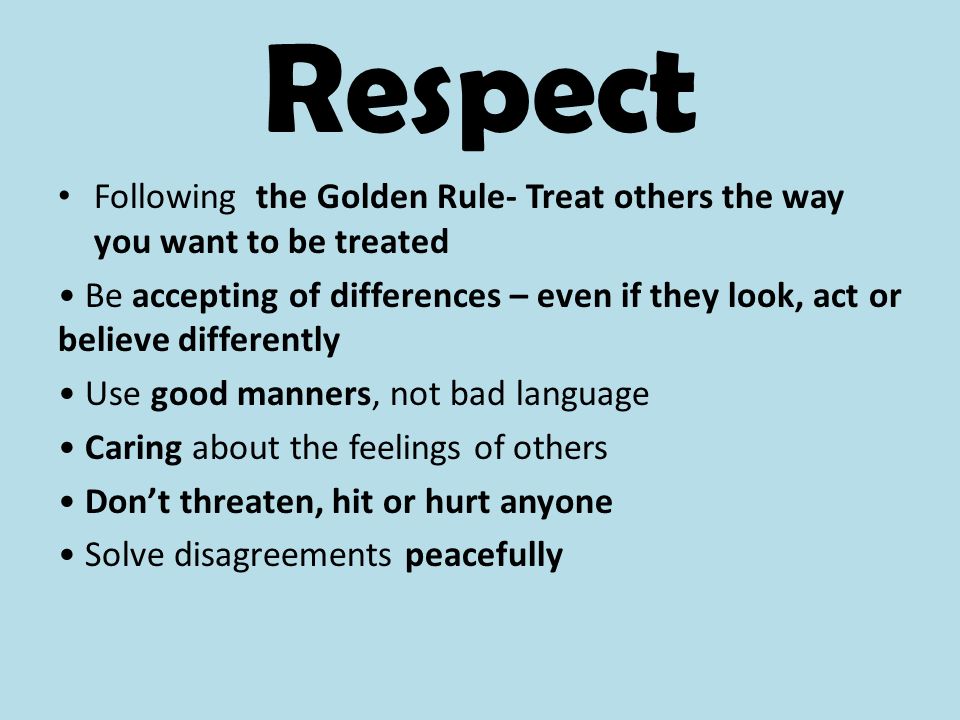
In our journey through life, it is essential to adhere to a set of principles that guide our actions and interactions with others. These principles, when upheld, not only contribute to personal growth but also help build a more harmonious and compassionate society. Here, we explore three fundamental rules that are vital for leading a responsible and ethical life: never intentionally hurt anyone, refrain from cheating others financially, and consistently respect every individual.
- Never Intentionally Hurt Anyone: The first and foremost rule of living a considerate and ethical life is to never intentionally cause harm to another person. Empathy and compassion are essential components of this principle. When we empathize with others, we become more attuned to their feelings and emotions, making it less likely that we will intentionally hurt them. Compassion encourages us to act in ways that promote the well-being and happiness of others. By consistently practicing kindness and avoiding harm, we create an environment where trust and goodwill thrive.
- Refrain from Cheating Anyone Financially: Financial honesty and integrity are crucial aspects of ethical behavior. Cheating others financially not only erodes trust but can also have far-reaching consequences for individuals and society as a whole. This rule reminds us to be transparent in our financial dealings, to fulfill our obligations, and to avoid deceptive practices that can lead to financial harm to others. By adhering to this principle, we contribute to a fair and just economic environment, where trust and credibility are upheld.
- Consistently Respect Every Individual: Respecting every individual, regardless of their background, beliefs, or differences, is an essential foundation of a compassionate and inclusive society. This rule encourages us to value diversity and embrace the uniqueness of each person. By respecting others, we create an atmosphere of acceptance and understanding. It’s essential to actively listen, engage in open dialogue, and promote tolerance, ensuring that everyone’s voice is heard and acknowledged. In doing so, we foster a sense of unity and create an environment where all individuals can thrive.
By embracing these fundamental rules, we pave the way for a brighter future, one in which individuals are not only respected and protected but also empowered to reach their full potential. Here are some key ways in which these rules can be applied in our daily lives:
In Relationships and Interactions: Whether in personal or professional relationships, we can practice empathy and kindness to avoid causing intentional harm. It means being mindful of our words and actions, considering the impact they may have on others. We can actively seek to understand the perspectives of those around us and work to resolve conflicts through constructive dialogue rather than aggression.
In Financial Matters: Honesty and integrity should be at the forefront of all our financial dealings. We can avoid cheating others by paying our debts on time, being transparent in business transactions, and adhering to legal and ethical financial practices. This not only protects others from financial harm but also helps build a reputation for trustworthiness.
In Embracing Diversity: Respecting every individual, regardless of their differences, is key to creating an inclusive society. We can actively challenge our own biases, educate ourselves about the experiences of people from different backgrounds, and promote equality and fairness. This is especially important in the workplace, where fostering a diverse and inclusive environment can lead to increased creativity and productivity.
In Advocacy and Activism: These rules can also guide us when advocating for social justice and human rights. When we stand up for the rights of marginalized or oppressed groups, we uphold the principle of not causing intentional harm and work towards creating a more just society. Advocating for fair financial practices and policies also aligns with the rule of refraining from financial cheating.
In Education and Parenting: Instilling these principles in the next generation is essential. Educators and parents can teach children the value of kindness, financial responsibility, and respecting others from an early age. This helps shape responsible, empathetic, and socially conscious individuals who will continue to promote these rules in their lives.
The three fundamental rules of never intentionally hurting anyone, refraining from cheating anyone financially, and consistently respecting every individual is a moral compass that can guide us through life’s complexities. These rules encourage a world where understanding, trust, and fairness are not only expected but actively practiced. By following these principles, we not only better ourselves but also contribute to a more compassionate, just, and harmonious global community. Ultimately, it’s by living these principles that we create a legacy of positivity and respect for future generations.

