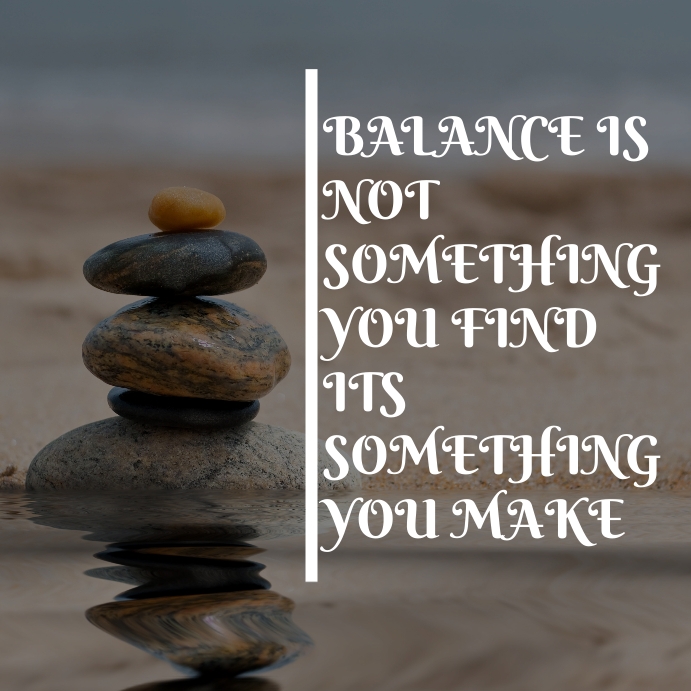
In the hustle and bustle of our modern lives, achieving balance can sometimes feel like an elusive goal. We juggle demanding careers, family obligations, personal aspirations, and countless other responsibilities, often leaving us feeling overwhelmed and exhausted. Yet, it’s essential to recognize that balance is not something you find; it’s something you have to create.
Balance is not a static state but rather an ongoing process of adjustment and adaptation. It’s a dynamic equilibrium that requires conscious effort and a deep understanding of your priorities and values. Here are some key aspects to consider when striving to create balance in your life:
Identify Your Priorities: The first step in creating balance is to determine what truly matters to you. What are your most important values, goals, and commitments? By clearly defining your priorities, you can focus your energy and time on what’s most essential and make informed decisions.
Set Boundaries: Establishing boundaries is crucial to creating balance. This means learning to say no when necessary and being assertive about your limits. Setting boundaries helps you prevent overextending yourself and maintain a healthy work-life balance.
Time Management: Effective time management is the cornerstone of achieving balance. Consider creating schedules, to-do lists, or using digital tools to organize your tasks and commitments. Allocate time to various aspects of your life, ensuring that no single area dominates your existence.
Self-Care: Taking care of yourself is not a selfish act but an essential component of balance. Make time for relaxation, exercise, and activities that bring you joy. When you’re well-rested and physically and mentally healthy, you can handle life’s challenges more effectively
Flexibility and Adaptability: Life is unpredictable, and sometimes, despite your best efforts, it can throw unexpected curveballs. Being adaptable and flexible in your approach to balance is vital. Don’t be too rigid in your expectations, and learn to adjust your plans when necessary
Delegate and Seek Support: You don’t have to do it all on your own. Delegate tasks when possible and seek support from family, friends, or professionals. Sharing responsibilities can help lighten your load and reduce stress.
Reflect and Reevaluate: Regularly assess your life and the balance you’ve created. Are your priorities still aligned with your goals and values? If not, it may be time to readjust and reallocate your time and energy.
Mindfulness and Presence: Being present in the moment can significantly contribute to a sense of balance. Practicing mindfulness can help you appreciate the small joys in life and reduce stress by focusing on what’s happening now, rather than worrying about the past or the future
Learn to Say ‘No’: This is a powerful tool in achieving balance. Saying ‘no’ to commitments or activities that do not align with your priorities allows you to protect your time and energy for what truly matters.
Balance is a continuous process of creation, not a static state you stumble upon. It requires self-awareness, planning, and the willingness to adapt to life’s ever-changing circumstances. By identifying your priorities, setting boundaries, managing your time effectively, and taking care of yourself, you can work towards achieving a more balanced and fulfilling life. Remember that balance is a personal journey, and what works for one person may not work for another. Embrace your uniqueness and tailor your approach to create the balance that suits you best.