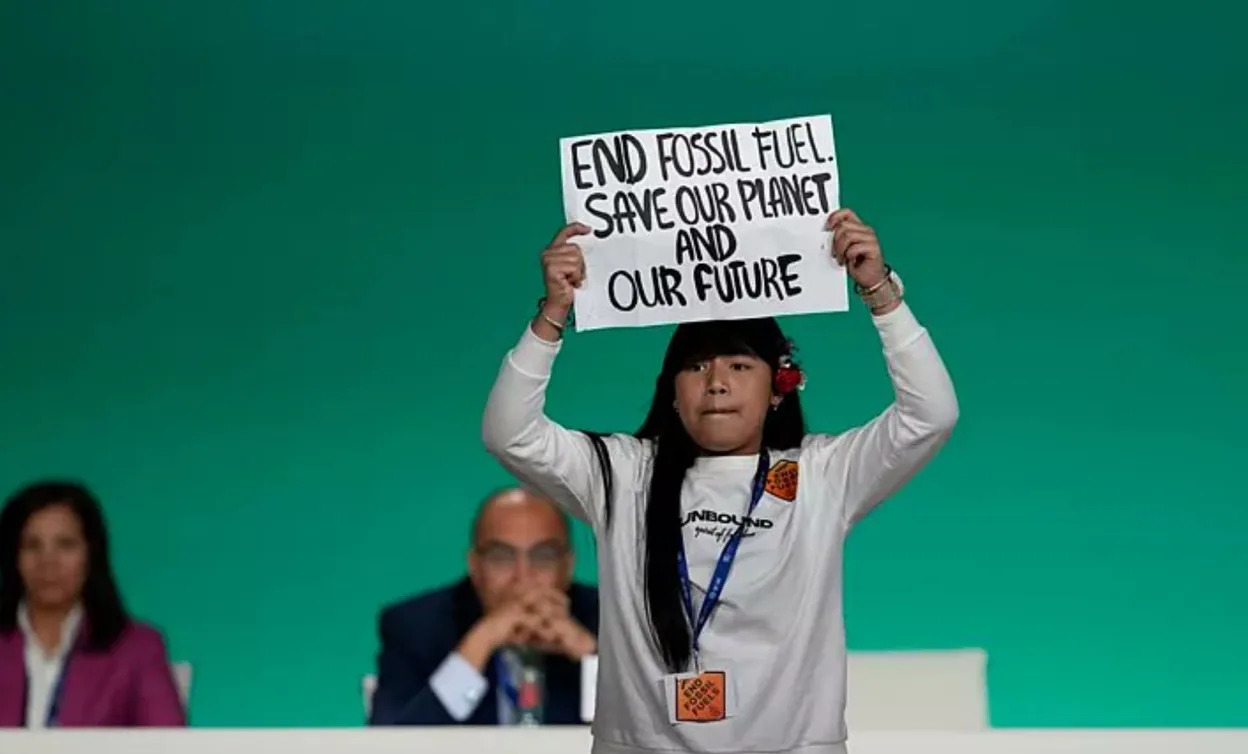
In the heart of the COP28 climate conference in Dubai, a 12-year-old climate activist from India, Licypriya Kangujam, emerged as an unexpected force challenging the world’s leaders. The conference, intended to address critical issues surrounding climate change, faced a disruptive turn when Licypriya took the stage to accuse authorities of treating the future of young people as a “joke”.
In a passionate protest, she demanded an immediate end to fossil fuels, highlighting the urgency of concrete climate action. Licypriya’s bold interruption sparked a broader conversation on the conference floor about the necessity for transformative measures to combat climate change, setting the stage for intense negotiations and discussions that extended beyond the scheduled timeframe.
This is the story of how a young activist’s fervent call for change echoed through the halls of COP28, bringing attention to the critical need for global action to secure a sustainable future.
The disruption caused by Licypriya at COP28 underscored the urgency and frustration felt by activists and delegates alike regarding the slow progress in addressing climate change. As discussions extended beyond the scheduled timeframe, the global community grappled with the challenge of reaching a comprehensive agreement on phasing out fossil fuels.
Licypriya’s bold move resonated with a growing sentiment among youth activists who believe that their voices are not being adequately considered in climate negotiations. Her call for a complete transition to renewable energy reflects a broader movement seeking transformative action to mitigate the impact of climate change. As the conference continued, the spotlight remained on the need for tangible commitments to reduce reliance on fossil fuels and embrace sustainable alternatives.
While Licypriya faced immediate repercussions, her actions received praise from some quarters, including COP28’s Director-General Ambassador Majid Al Suwaidi. His encouragement for Licypriya and acknowledgment of youth enthusiasm underscored a recognition within the conference that the younger generation plays a crucial role in driving climate action.
As the discussions unfolded, the draft agreement’s language on fossil fuels became a focal point of contention. The reluctance to commit to a full phase-out disappointed many, especially those from vulnerable regions like the Pacific, who are already experiencing the devastating effects of climate change.
The extended duration of the conference allowed for continued negotiations and attempts to bridge the gaps in the agreement. Delegates grappled with finding common ground between the urgent calls for immediate action and the complexities of international negotiations. The challenges highlighted the delicate balance between the demands for rapid change and the intricate diplomatic processes inherent in addressing a global crisis.
Licypriya’s unwavering commitment to the cause served as a reminder that the urgency of climate action cannot be understated. The events at COP28 showcased the evolving dynamics of climate activism, with youth leaders like Licypriya demanding not just a seat at the table but a meaningful role in shaping policies that will determine the future of the planet.