Circle of Security: Nurturing Attachment, Resilience, Exploration
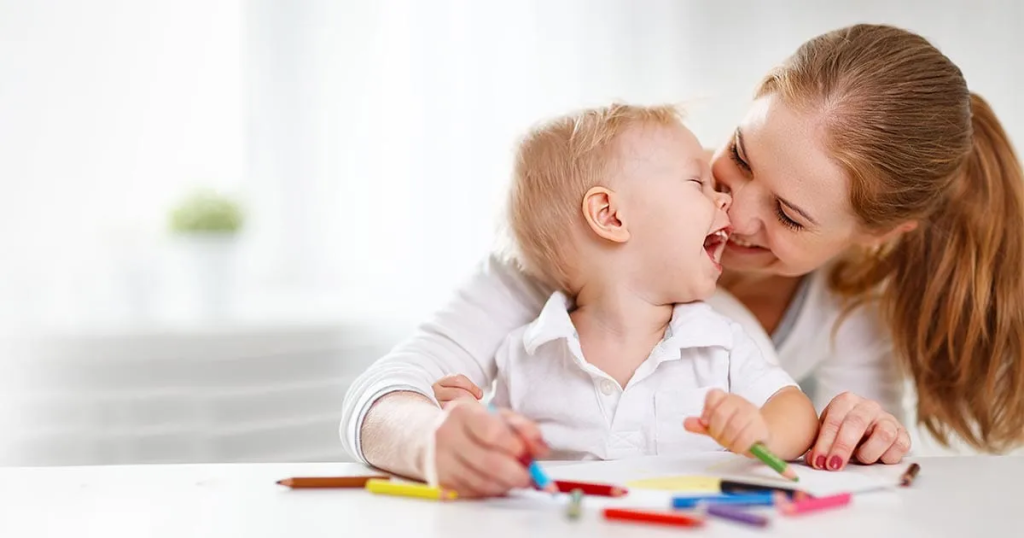
Raising a confident and secure child is a fundamental goal for parents and caregivers. It involves nurturing a child’s emotional well-being and providing them with the tools and support they need to navigate life’s challenges with self-assurance.
One of the key elements in empowering a confident child is building a strong foundation of trust. This begins from infancy, as babies learn to trust that their needs will be met promptly and consistently. As children grow, trust continues to be reinforced through open communication, active listening, and dependable caregiving.
Attachment, a deep emotional connection between child and caregiver, is a cornerstone of healthy development. The Circle of Security emphasizes the importance of being emotionally available and responsive to your child’s cues. By consistently meeting their emotional needs, you reinforce a sense of trust and security, allowing them to form a strong attachment.
Positive reinforcement is another vital aspect of raising a confident child. Encouraging and acknowledging a child’s efforts and achievements, no matter how small, helps boost their self-esteem. This positive reinforcement fosters a sense of competence, making them more willing to take on new challenges and persevere when faced with difficulties.
Creating a safe and supportive environment is essential for a child’s confidence to flourish. When children feel secure in their surroundings, they are more likely to explore, learn, and express themselves without fear of judgment or criticism. This environment also includes providing consistent boundaries and routines, which help children understand expectations and limits.
Teaching problem-solving and coping skills equips children to handle adversity and uncertainty with confidence. Encouraging them to think critically and make decisions, even from a young age, empowers them to face life’s challenges head-on.
Modeling self-confidence and resilience as adults is equally important. Children often learn by observing their parents and caregivers. By demonstrating a healthy level of self-assuredness and the ability to bounce back from setbacks, adults set a powerful example for children to follow.
Be Present: Make a conscious effort to be fully present when interacting with your child. Put away distractions like phones and focus on them. This attentiveness helps build a strong emotional connection.
Responsive Care: Pay attention to your child’s cues and respond promptly to their needs, whether they’re seeking comfort, attention, or assistance. This responsiveness reinforces their sense of security and trust in you.
Emotional Validation: Acknowledge and validate your child’s emotions. Let them know it’s okay to feel a wide range of emotions, and you’re there to support and guide them through their feelings.
Clear Communication: Practice clear and open communication with your child. Encourage them to express their thoughts and emotions and actively listen to what they have to say. This builds their communication skills and reinforces the sense that their voice matters.
Set Boundaries: While promoting exploration and independence, also establish clear and appropriate boundaries. These boundaries create a sense of safety and predictability for your child, which is crucial for their emotional well-being.
Reflect on Your Own Attachment Style: Take some time to reflect on your own attachment style and how it may impact your parenting approach. Understanding your attachment patterns can help you become a more attuned and responsive caregiver.
Celebrate Independence: Encourage and celebrate your child’s efforts to explore and learn independently. This positive reinforcement reinforces their self-confidence and their belief that they can handle new challenges.
The Circle of Security is a powerful framework for caregivers to enhance their child’s attachment, emotional resilience, and freedom to explore. By following its principles and providing a secure and supportive environment, you empower your child to develop a strong emotional foundation and the confidence to explore the world around them.