Listening to Understand: A Key Communication Skill
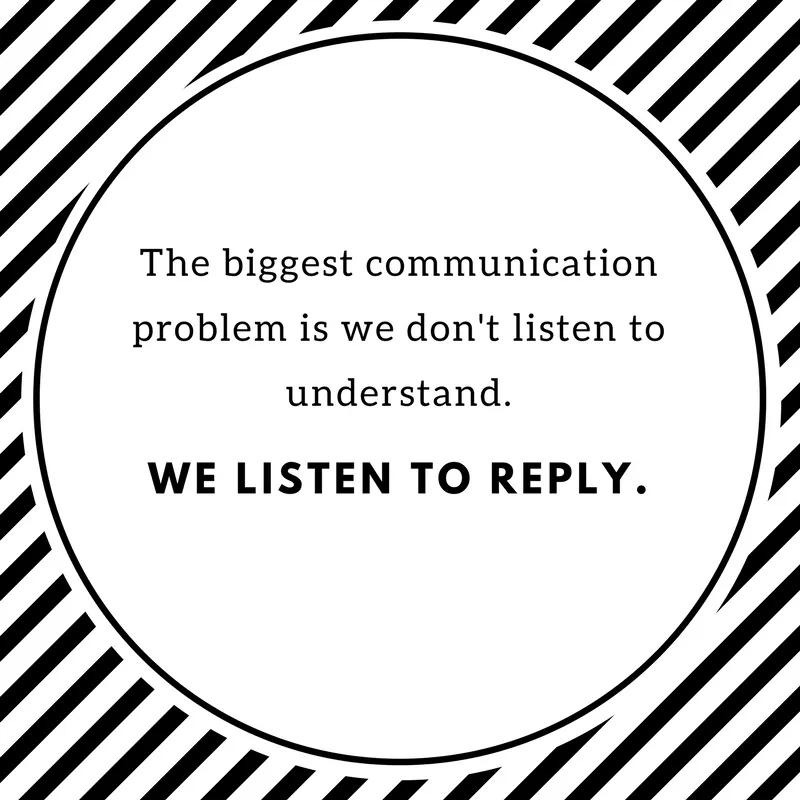
In today’s fast-paced world, communication has become more essential than ever. We constantly engage in conversations, whether in person, over the phone, or through digital mediums. Yet, amid this constant chatter, a significant communication problem persists: we often listen not to understand, but to reply.
Listening is a fundamental component of effective communication, but it’s a skill that often goes overlooked and underutilized. We’re quick to offer our opinions, advice, or rebuttals, often before the other person has even finished speaking. This tendency to listen in order to formulate our response rather than truly grasping the speaker’s perspective can lead to a host of communication breakdowns.
Several factors contribute to our “listening to reply” mindset:
Impatience: In our fast-paced lives, patience seems to be in short supply. We want quick answers and immediate solutions, which can make us rush the listening process.
Ego: Sometimes, our desire to assert our knowledge or prove our point takes precedence over understanding the other person’s viewpoint. This can be detrimental to open, productive conversations.
Assumptions: We often think we know what the other person is going to say, so we mentally jump ahead and prepare our response. This assumption can lead to misunderstandings and missed opportunities for connection.
Distractions: In today’s digital age, distractions are everywhere. Our phones, emails, and social media constantly beckon, diverting our attention away from active listening.
So, what can we do to combat this communication challenge? It starts with a conscious effort to listen with the intent to understand rather than to reply. Here are some steps to help us become better listeners:
Practice Mindfulness: Be fully present in the moment. Put away distractions and give your full attention to the speaker.
Ask Open-Ended Questions: Encourage the speaker to share more about their thoughts and feelings. Open-ended questions invite deeper conversation.
Reflective Listening: Repeat back what you’ve heard to ensure you’ve understood correctly. This not only validates the speaker but also helps clarify any potential misunderstandings.
Resist Interrupting: Train yourself to pause before responding. Let the speaker finish before offering your input.
Be Patient: Remember that some conversations require time and multiple exchanges to fully understand. Don’t rush the process.
Empathize: Try to put yourself in the speaker’s shoes. Understand their emotions and perspective, even if you don’t agree.
Practice Non-Verbal Listening: Communication is not just about words; it also involves body language, tone, and facial expressions. Pay attention to these non-verbal cues to gain deeper insights into what the speaker is conveying.
Be Open to Change: Recognize that actively listening to understand may sometimes challenge your existing beliefs or perspectives. Be open to the possibility of evolving your opinions based on new information.
Clarify and Summarize: During a conversation, periodically summarize what you’ve heard to ensure you’re on the same page with the speaker. This not only demonstrates your commitment to understanding but also helps in resolving potential misunderstandings.
Seek Feedback: Encourage others to provide feedback on your listening skills. Constructive criticism can help you continuously improve your ability to listen with empathy and comprehension.
Practice Active Listening: Active listening involves not only hearing the words but also interpreting their meaning. It entails showing genuine interest and empathy through verbal cues like nodding, affirming, and providing encouraging prompts.
Allow Silence: Sometimes, silence can be a powerful tool in communication. It provides space for the speaker to gather their thoughts and express themselves fully. Don’t rush to fill every moment with your own words.
Learn from Others: Observe skilled communicators and effective listeners in your personal and professional circles. Model your listening habits after those who excel in this art.
By incorporating these practices into your daily interactions, you’ll gradually shift from the habit of listening to reply to the practice of listening to understand. This transformation can have a profound impact on your relationships, as well as your personal and professional growth.
In our interconnected world, effective communication is the foundation of successful collaboration, conflict resolution, and personal development. Listening to understand not only strengthens our connections with others but also promotes empathy, tolerance, and the exchange of diverse perspectives. It’s a skill worth cultivating, for it has the power to bridge gaps, inspire change, and foster a more harmonious and productive society. So, let’s all strive to become better listeners, one conversation at a time, and make understanding a cornerstone of our communication endeavors.