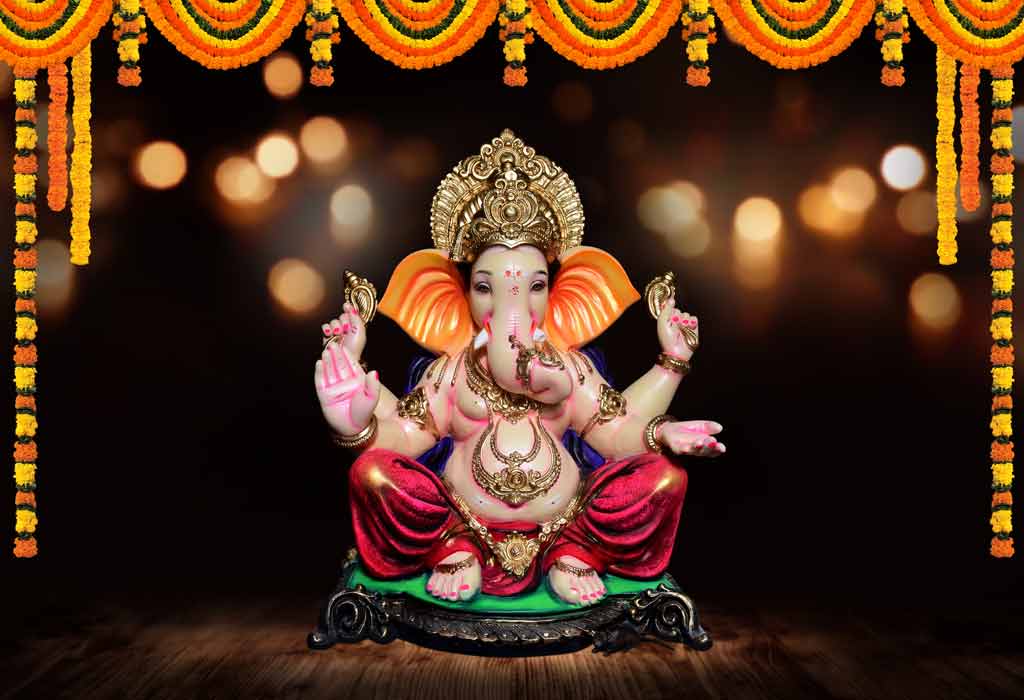
Ganesh Chaturthi, also known as Vinayaka Chaturthi, is one of the most widely celebrated festivals in India. This vibrant and lively festival marks the birthday of Lord Ganesha, the elephant-headed god of wisdom, prosperity, and good fortune. The festival usually falls between August and September, lasting for ten days, with the grandest celebrations taking place in the states of Maharashtra, Goa, Karnataka, and Andhra Pradesh.
The origins of Ganesh Chaturthi can be traced back to the Maratha ruler Chhatrapati Shivaji Maharaj in the 17th century. However, it gained significant popularity during the freedom movement of India, as it was used as a platform to unite people against British rule. Since then, it has become an integral part of Indian culture, celebrated with immense enthusiasm and devotion.
The festival commences with the installation of beautifully crafted clay idols of Lord Ganesha in homes, public places, and elaborately decorated pandals (temporary structures). These idols, which vary in size from small to massive, are intricately designed and painted, often depicting Ganesha in various poses and forms. Artisans spend months preparing these idols, infusing creativity and artistry into their work.
The rituals associated with Ganesh Chaturthi are deeply rooted in Hindu traditions. The idol installation is accompanied by ‘prana-pratishtha’, a ritual where the idol is consecrated with prayers and mantras to invite the deity’s presence. Throughout the ten days, devotees offer ‘prasad’ (sacred food offerings) like modak (sweet dumplings), coconut, and fruits to Lord Ganesha. They also engage in daily aarti (ceremonial worship) and sing devotional songs, creating a spiritually charged atmosphere.
The culmination of Ganesh Chaturthi is marked by the ‘visarjan’ ceremony, where the idols are immersed in water bodies, symbolizing Ganesha’s return to his celestial abode. This ritual is performed with grand processions, accompanied by music, dance, and a lively atmosphere. In recent times, there has been a growing emphasis on eco-friendly celebrations, encouraging the use of clay idols and minimizing environmental impact.
Ganesh Chaturthi transcends religious boundaries, with people from various backgrounds joining in the festivities. The sense of unity and community is evident as neighbors, friends, and families come together to celebrate. The festival also plays a vital role in promoting cultural exchange, as tourists and enthusiasts from around the world participate in the vibrant celebrations.
Ganesh Chaturthi is not only a religious observance but also a celebration of art, culture, unity, and spirituality. It brings people together to seek blessings, share joy, and celebrate the rich heritage of India. The eleventh-day immersion of the idol marks the end of the festivities, leaving behind a sense of fulfillment and anticipation for the next year’s celebrations.


