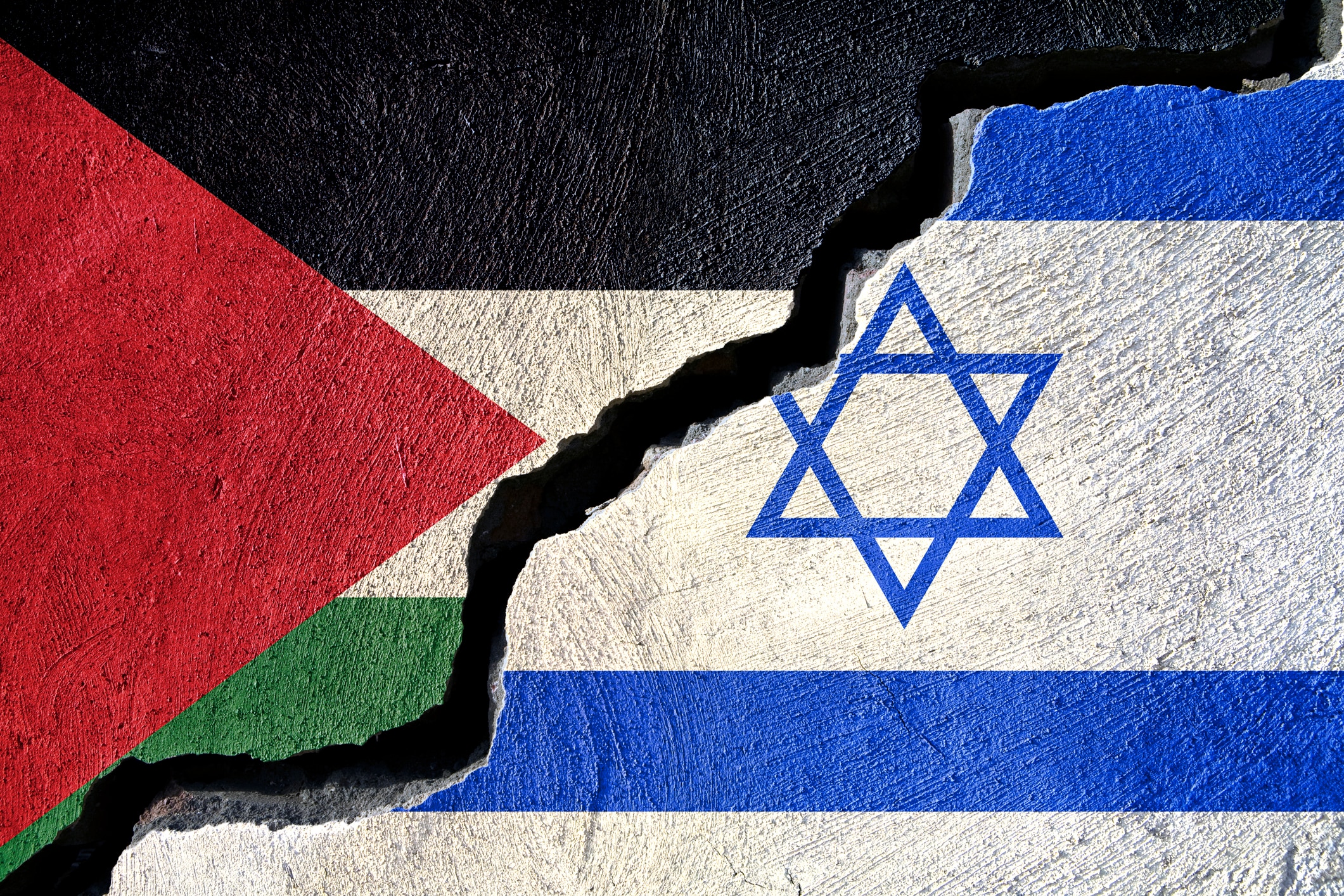
The Israel-Palestine conflict is one of the most enduring and deeply entrenched conflicts in modern history. Spanning decades, it has claimed countless lives and left a trail of suffering in its wake. To find a lasting solution, it’s crucial to understand the root causes and ongoing dynamics of this complex issue.
Historical Context
To comprehend the Israel-Palestine conflict, we must first delve into its historical roots. The conflict’s origins trace back to the late 19th and early 20th centuries when the region, known as Palestine, was part of the Ottoman Empire. Several key historical events shaped the conflict:
The Balfour Declaration and British Mandate: In 1917, during World War I, the British government issued the Balfour Declaration, which expressed support for the establishment of a “national home for the Jewish people” in Palestine. This declaration marked the beginning of the Zionist movement, which aimed to create a Jewish state in the region.
United Nations Partition Plan (1947): After World War II and the Holocaust, the United Nations proposed a partition plan in 1947 that would divide Palestine into separate Jewish and Arab states, with Jerusalem under international administration. Jewish leaders accepted the plan, but Arab leaders rejected it, leading to the 1948 Arab-Israeli War.
Creation of Israel and Palestinian Displacement (Nakba): On May 14, 1948, David Ben-Gurion declared the establishment of the State of Israel, leading to a war between Israel and its Arab neighbors. The war resulted in the displacement of hundreds of thousands of Palestinians, an event Palestinians refer to as the Nakba (catastrophe)
Root Causes Analysis
Understanding the ongoing conflict requires an analysis of its root causes:
Territorial Disputes:
- The West Bank, Gaza Strip, and East Jerusalem are at the heart of territorial disputes. Israel captured these areas in the 1967 Six-Day War, leading to a long-standing occupation.
- The growth of Israeli settlements in the West Bank has been a contentious issue, as it complicates the prospects for a future Palestinian state.
- Palestinians seek statehood and self-determination, often citing UN resolutions calling for the establishment of a Palestinian state.
Historical Narratives:
- The conflict is deeply intertwined with historical narratives on both sides. Israelis view the establishment of Israel as a fulfillment of national aspirations and a response to centuries of persecution.
- Palestinians, meanwhile, view the creation of Israel as a displacement from their ancestral lands and a denial of their right to self-determination.
Religious and Cultural Dimensions:
- Jerusalem holds immense religious significance for Jews, Muslims, and Christians. Control over holy sites in the city has been a source of contention.
- Religious extremism has played a role, with extremist elements on both sides perpetuating violence and mistrust.
External Factors:
- Regional and international actors have contributed to the conflict’s perpetuation. The Arab-Israeli Wars and the broader regional context have shaped the dynamics.
- The United States, as a staunch ally of Israel, has played a significant role in shaping the conflict’s trajectory through diplomatic, military, and financial support.
Ongoing Dynamics
Recent developments and incidents continue to shape the Israel-Palestine conflict:
Political Leadership:
- The leadership on both sides plays a pivotal role in shaping the conflict’s direction. Elections, government policies, and leadership changes can influence peace efforts.
- Divisions within Palestinian leadership between Fatah and Hamas have hindered unity and a coherent negotiating position.
Recent Developments:
- Clashes and protests, particularly in East Jerusalem, have resulted in violence and casualties.
- In 2020, Israel signed normalization agreements with the United Arab Emirates, Bahrain, Sudan, and Morocco, known as the Abraham Accords. While a historic shift in diplomacy, some Palestinians viewed it as a betrayal.
Humanitarian Concerns:
- The conflict has taken a heavy toll on civilians, leading to humanitarian crises. Restrictions on movement, access to resources, and basic services have affected Palestinians in the occupied territories.
- Israeli citizens living near Gaza have also faced rocket attacks, leading to insecurity and trauma.
Efforts for Peace
Numerous attempts at peace negotiations have been made over the years, including the Oslo Accords and Camp David Summit. These efforts reflect the international community’s commitment to finding a peaceful resolution. However, the conflict’s complexity and deeply rooted issues have often stymied progress.
Challenges and Hurdles
The Israel-Palestine conflict faces significant challenges and hurdles on the path to resolution:
- Militant Groups and Extremism: Extremist elements on both sides have perpetrated violence and sabotaged peace efforts.
- International Perspectives: Differing international viewpoints and interests complicate peace negotiations.
- Economic Development: Building a sustainable Palestinian economy under occupation remains a challenge.
The Israel-Palestine conflict remains a complex and multifaceted issue with deep historical roots and ongoing dynamics. Understanding its root causes and current realities is essential for anyone seeking to contribute to a peaceful resolution. While the road ahead may be fraught with challenges, the pursuit of lasting peace and justice for both Israelis and Palestinians must persist, as the human cost of this conflict continues to mount.