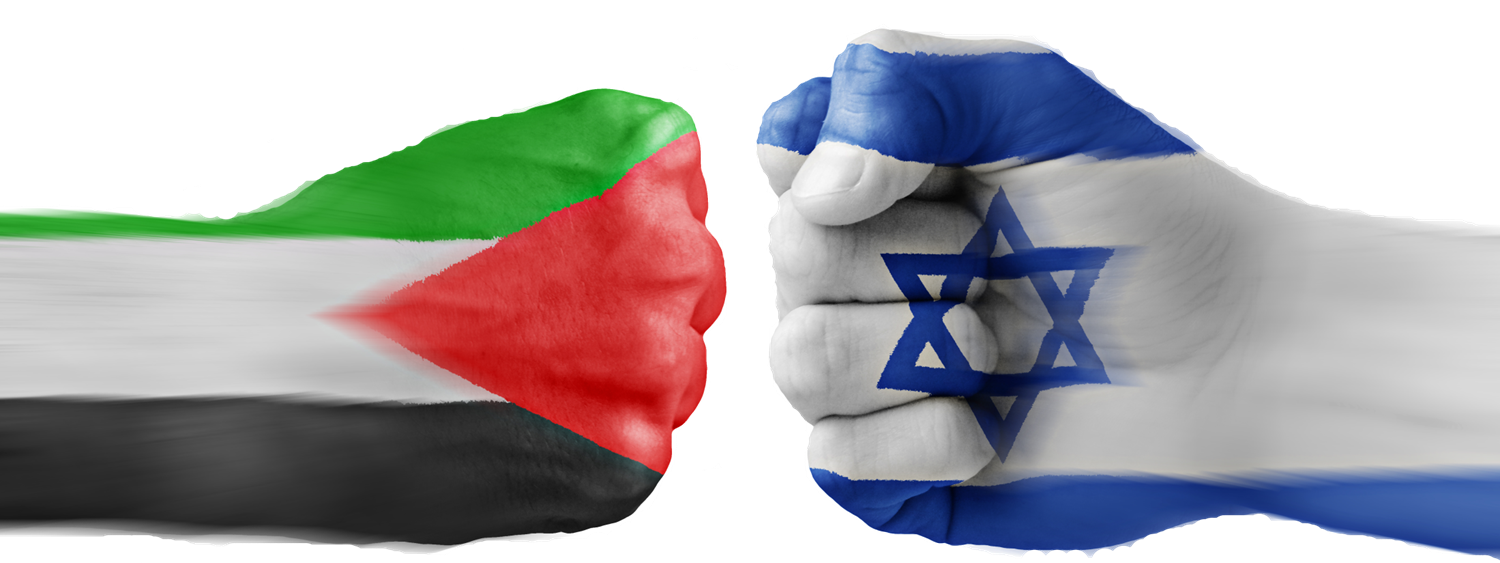
The Israel-Palestine conflict is one of the most enduring and complex conflicts in the world. Within this broader conflict, the Gaza Strip has been a focal point of tension and violence for decades. We will provide a concise timeline of the conflict, shedding light on the key events and dynamics that have shaped this ongoing struggle for peace and sovereignty.
1947–1948: The Founding of Israel and the First Arab-Israeli War
The roots of the Israel-Palestine conflict can be traced back to the late 1940s when Israel declared its independence. This declaration led to the First Arab-Israeli War, as neighboring Arab states opposed the establishment of a Jewish state in the region.
1967: The Six-Day War
In a swift and decisive conflict, Israel occupied the Gaza Strip along with the West Bank, Sinai Peninsula, and Golan Heights during the Six-Day War. This event marked a turning point in the Gaza conflict.
2005: Israel’s Disengagement Plan
Israel unilaterally withdrew its settlements and military presence from the Gaza Strip in 2005, a move aimed at achieving peace and autonomy for the Palestinian population.
Hamas Takes Control
In 2007, the militant group Hamas took control of Gaza, creating a rift between the West Bank, controlled by the Palestinian Authority, and the Gaza Strip. This division further complicated peace efforts.
Periodic Clashes and Ceasefires
Over the years, there have been numerous clashes and escalations of violence between Israel and Hamas, resulting in casualties on both sides. International efforts have led to temporary ceasefires, but a lasting resolution remains elusive.
2021: Recent Escalation
The conflict in Gaza escalated in May 2021, leading to one of the deadliest flare-ups in years. This conflict drew international attention and renewed calls for a peaceful resolution.
In January 2023, the Islamic Jihad in Gaza launched two rockets toward Israel following an Israeli military operation in a refugee camp that resulted in the deaths of seven Palestinian militants and two civilians. These rocket launches triggered alarms in Israeli communities near the border, but fortunately, no casualties were reported. In response, Israel conducted airstrikes on Gaza.
October 2023, The most recent death toll: Israel’s national rescue service confirmed over 250 deaths, and hundreds were injured. Hamas’s attack on southern Israel was the deadliest in years. In Gaza, over 232 were killed, and the Palestinian Health Ministry reported over 1,700 injuries in Israel’s retaliation.
Ongoing Humanitarian Concerns
The people of Gaza have endured significant humanitarian challenges, including restricted access to basic services, high unemployment, and limited freedom of movement due to the conflict’s protracted nature.
International Efforts and Hopes for Peace
The international community has been actively involved in trying to mediate a solution to the Israel-Palestine conflict, including the situation in Gaza. Various peace initiatives and negotiations have taken place over the years, but a comprehensive and lasting resolution has remained elusive.
The Humanitarian Toll
One of the most heartbreaking aspects of the Gaza conflict is the toll it has taken on innocent civilians. The densely populated Gaza Strip has been the site of devastating military operations and airstrikes that have resulted in civilian casualties, including women and children. These tragic events have sparked global outrage and calls for an end to the violence.
The people of Gaza continue to face severe hardships due to the conflict. Access to clean water, adequate healthcare, and education is often compromised. Humanitarian organizations are working tirelessly to provide essential aid, but the ongoing instability makes their efforts exceptionally challenging.
The Importance of Dialogue and Understanding
The conflict in Gaza is deeply rooted in historical grievances, political disputes, and territorial claims. While a comprehensive peace agreement may take time, dialogue and understanding between Israelis and Palestinians are crucial steps toward reconciliation. Encouraging people from both sides to engage in respectful and constructive conversations can help break down barriers and foster empathy.
As individuals and global citizens, we can contribute to peace efforts by staying informed, supporting humanitarian organizations, and advocating for peaceful solutions. Understanding the historical context of the conflict is essential, as it enables us to appreciate the complexities and challenges faced by those living in the region and to work toward a future where peace and coexistence prevail.