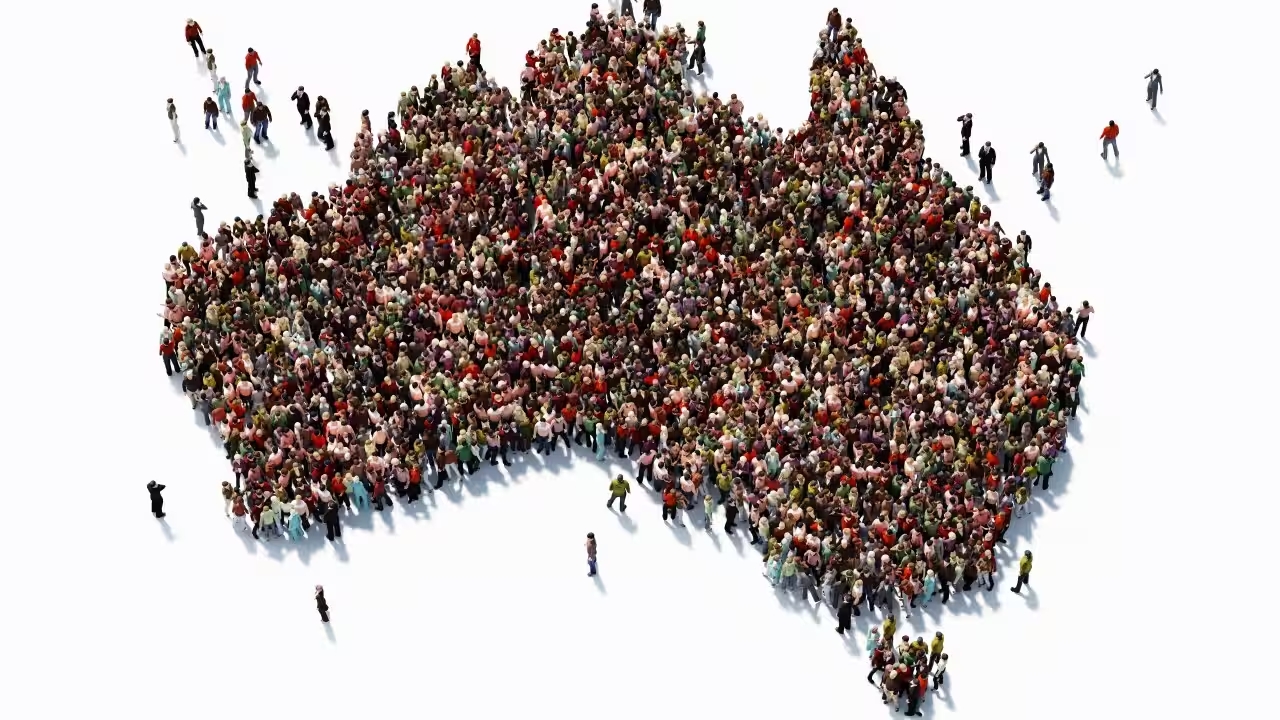
Australia, known for its vast landscapes and diverse culture, is experiencing a significant population surge, reaching a total of 26.6 million people. The latest data reveals a remarkable 2.4% increase in the past year, and the driving force behind this surge is the unprecedented levels of overseas migration.
In the year leading up to June 2023, Australia welcomed a staggering 624,100 new residents. This surge can be attributed to a combination of factors, with natural increase — where the number of births outweighs deaths — playing a substantial role. However, the standout contributor to this population boom is the record-breaking surge in overseas migration.
According to the Australian Bureau of Statistics (ABS), overseas migration has skyrocketed by an impressive 72.7% in the past year. The ABS report highlights the enormity of this shift, with 737,200 arrivals and 219,100 departures in overseas migration, resulting in a net gain of 518,100 individuals to the Australian population.
The impact of overseas migration on Australia’s demographic landscape cannot be overstated. The country’s attractiveness as a destination for people seeking new opportunities, a high quality of life, and a diverse cultural experience is evidently drawing individuals from across the globe.
The surge in population brings about both opportunities and challenges for Australia. On the positive side, a growing population can stimulate economic activity, foster cultural diversity, and contribute to innovation. However, it also poses challenges related to infrastructure, housing, and ensuring the well-being of the populace.
As Australia continues to evolve with this influx of new residents, the nation’s ability to adapt and manage this growth will be crucial. Policy decisions, urban planning, and community integration efforts will play pivotal roles in shaping the future of Australia’s expanded and diverse population.
Australia’s ever-growing population not only brings numerical strength but also a wealth of diversity. The infusion of cultures, perspectives, and talents from around the world enriches the Australian social fabric, creating a dynamic and vibrant society. Embracing this diversity can lead to a more inclusive and innovative nation, fostering a sense of unity amid the variety of backgrounds.
However, with the surge in population comes the responsibility of effective urban planning and infrastructure development. Ensuring that cities can accommodate the expanding populace in terms of housing, transportation, and public services becomes paramount. Thoughtful policies and investments will be crucial in maintaining the high quality of life that has long been associated with Australia.
Education and workforce integration will play pivotal roles in harnessing the potential of the growing population. Providing opportunities for newcomers to contribute their skills and talents to the Australian workforce will not only benefit the individuals but also boost the nation’s economic vitality.
Moreover, as the population continues to rise, environmental sustainability becomes an increasingly important consideration. Balancing the need for economic growth with responsible environmental stewardship will be a delicate yet essential task for policymakers.
The surge in Australia’s population to 26.6 million is a testament to the nation’s allure and promise. As the country welcomes a diverse array of individuals, it stands at a crossroads, ready to harness the opportunities presented by this demographic shift. By fostering inclusivity, implementing effective policies, and prioritizing sustainability, Australia can navigate the complexities of a growing population and continue to thrive as a beacon of opportunity on the global stage.