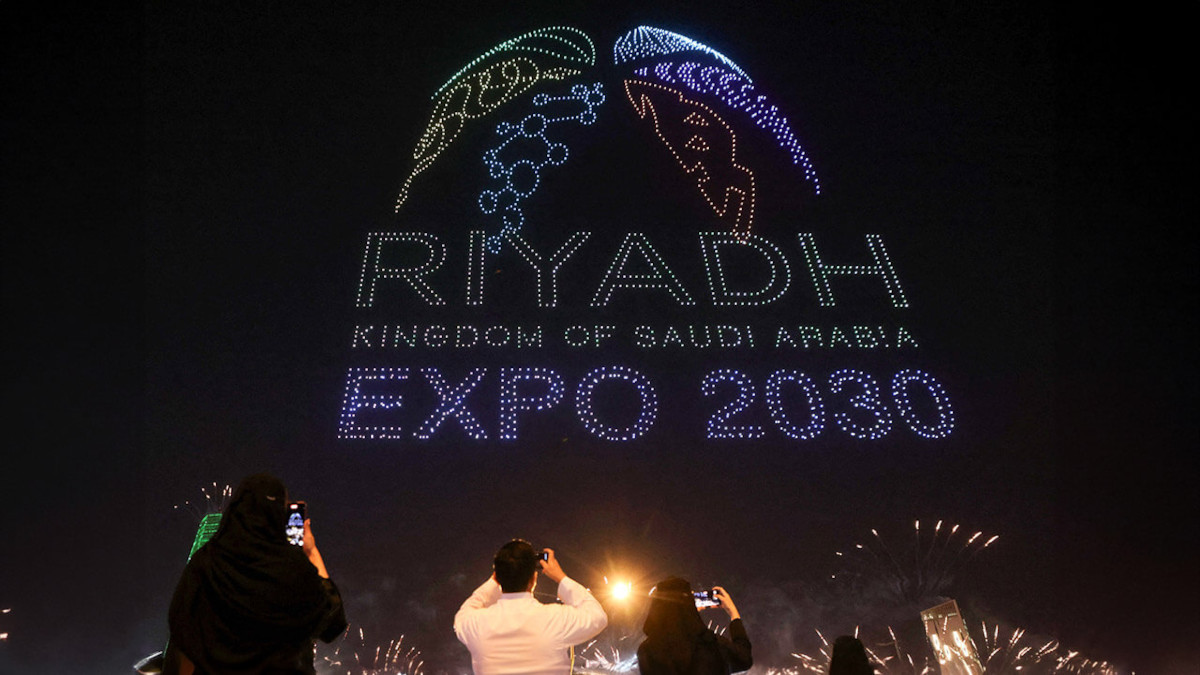
In a resounding victory, Saudi Arabia has won the bid to host the World Expo 2030, marking a significant achievement for Crown Prince Mohammed bin Salman and his ambitious “Vision 2030” plan. The decision, announced on Tuesday by the Bureau International des Expositions in Paris, underscores Saudi Arabia’s efforts to transform its international image and diversify its oil-dependent economy.
The Vote and Triumph: Out of the 165 delegates present, Saudi Arabia secured an impressive 119 votes, surpassing competitors South Korea and Italy. The win not only positions the kingdom as a global player but also serves as a pivotal moment for Crown Prince Mohammed bin Salman in his quest to reshape both Saudi Arabia’s image and his own standing on the international stage.
Global Spotlight on Vision 2030: The timing of hosting the World Expo in 2030 aligns with the conclusion of Crown Prince Mohammed bin Salman’s ambitious “Vision 2030” initiative, aimed at reducing Saudi Arabia’s dependence on oil and fostering economic diversification. This victory provides a platform for showcasing the kingdom’s achievements and progress, marking a symbolic culmination of the crown prince’s transformative agenda.
Overcoming Challenges and Changing Perceptions: The successful bid reflects Crown Prince Mohammed bin Salman’s adept use of the kingdom’s power, financial resources, and influence to counter challenges related to human rights concerns and stereotypes. Despite attempts to isolate Saudi Arabia, the crown prince has positioned himself as a global leader and emphasized the kingdom as a significant hub for business and tourism.
Strategic Campaign and Lavish Events: Saudi Arabia’s bid was characterized by an elaborate campaign highlighting futuristic megaprojects planned for 2030. A notable feature was the unveiling of a cube-shaped structure referred to as “a gateway to another world.” Additionally, the kingdom organized lavish events to court international delegates, with reports of a sumptuous dinner featuring blue lobster tail and ossetra caviar near Paris. These efforts demonstrated Saudi Arabia’s commitment to making a lasting impression on the global stage.
The Significance of World Expo: Kristin Diwan, a senior resident scholar at the Arab Gulf States Institute in Washington, emphasized the World Expo’s appeal to the Saudi leadership. Describing it as a “coming-out party,” the Expo serves as a platform for Saudi Arabia to showcase the success of its vision, attracting global attention and reinforcing the kingdom’s role in shaping the future.
Diversification and Futuristic Megaprojects: Saudi Arabia’s bid focused on showcasing the futuristic megaprojects integral to Vision 2030. The announcement of a cube-shaped structure billed as “a gateway to another world” exemplifies the kingdom’s commitment to innovation and modernization. The Expo provides an opportunity to unveil these projects on a grand scale, highlighting the diversification of the Saudi economy and its transition towards a more sustainable and technologically advanced future.
Looking Ahead: As Saudi Arabia prepares to host the World Expo 2030, the nation stands at a pivotal juncture. The Expo serves as a marker for the success of Vision 2030, a testament to the kingdom’s ability to adapt, innovate, and redefine itself on the world stage. The global community will closely observe how Saudi Arabia leverages this opportunity to bridge cultures, strengthen diplomatic ties, and pave the way for a new era of international collaboration.
Saudi Arabia’s victory in securing the hosting rights for World Expo 2030 marks a turning point in the kingdom’s global narrative. Beyond the grandeur of the event, it symbolizes the triumph of Crown Prince Mohammed bin Salman’s vision for a modern, diversified, and globally engaged Saudi Arabia. The Expo becomes a stage where the kingdom not only showcases its achievements but also builds bridges, fostering a more interconnected and understanding world.