Welcome to the enchanting world of Machu Picchu, one of the most captivating archaeological wonders on Earth. Located high in the Andes Mountains of Peru, this ancient Inca citadel has lured travelers, historians, and adventurers from all corners of the globe for centuries.
Machu Picchu is a symbol of the Inca civilization, which flourished in the Andean region of South America. The Incas were skilled engineers, architects, astronomers, and agriculturalists. Their advanced knowledge and cultural practices are evident in the intricate stone masonry, agricultural terraces, and sacred spaces found within the citadel.
Unveiling the Mysterious Origins
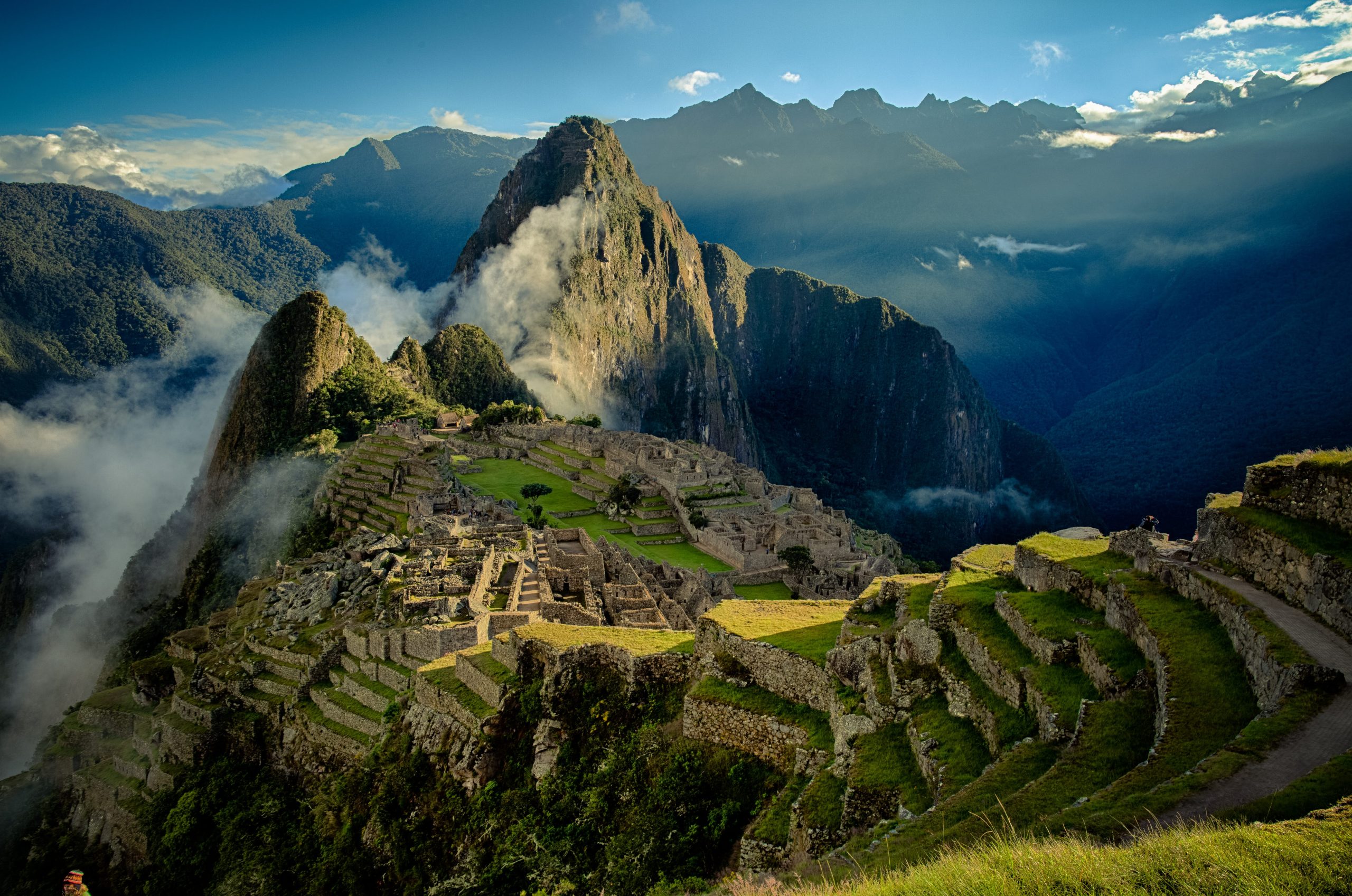
Machu Picchu, often referred to as the “Lost City of the Incas,” was built in the 15th century during the height of the Inca Empire. Although the exact purpose of the site remains shrouded in mystery, scholars believe it served as a royal estate for the Inca emperor, Pachacuti. The city’s strategic location on a ridge between two mountains, amidst lush green valleys, highlights the advanced engineering and architectural prowess of the Incas.
The Architecture and Design
One of the most striking features of Machu Picchu is its immaculate stone masonry. Without the use of any mortar, the Incas managed to create precision-fitted stone walls that have withstood the test of time and seismic activity. The citadel is divided into two main sectors: the agricultural sector, with terraced fields for cultivation, and the urban sector, comprising temples, plazas, and residential areas. The iconic structures, such as the Temple of the Sun, Intihuatana Stone, and the Room of the Three Windows, leave visitors in awe of the Inca’s unparalleled craftsmanship.
The Spiritual Significance
The Incas were deeply spiritual people, worshipping the forces of nature and celestial bodies. Many researchers believe that Machu Picchu was a sacred site, dedicated to Inti, the Sun God, and served astronomical purposes. The Intihuatana Stone, an enigmatic ritual stone, is believed to have been used as a solar observatory, marking the solstices and equinoxes with remarkable precision. Walking through the ruins, one can sense the mystical aura that once enveloped this sacred sanctuary.
Unveiling the Mysterious Origins
Machu Picchu, often referred to as the “Lost City of the Incas,” was built in the 15th century during the height of the Inca Empire. Although the exact purpose of the site remains shrouded in mystery, scholars believe it served as a royal estate for the Inca emperor, Pachacuti. The city’s strategic location on a ridge between two mountains, amidst lush green valleys, highlights the advanced engineering and architectural prowess of the Incas.
The Architecture and Design
One of the most striking features of Machu Picchu is its immaculate stone masonry. Without the use of any mortar, the Incas managed to create precision-fitted stone walls that have withstood the test of time and seismic activity. The citadel is divided into two main sectors: the agricultural sector, with terraced fields for cultivation, and the urban sector, comprising temples, plazas, and residential areas. The iconic structures, such as the Temple of the Sun, Intihuatana Stone, and the Room of the Three Windows, leave visitors in awe of the Inca’s unparalleled craftsmanship.
Rediscovery and Preservation
Machu Picchu remained largely unknown to the outside world until its rediscovery in 1911 by American historian and explorer, Hiram Bingham. Since then, it has become one of the most visited tourist destinations worldwide, attracting millions of visitors each year. To preserve its delicate structures and natural surroundings, the Peruvian government and UNESCO have implemented strict conservation measures, limiting the number of daily visitors and promoting sustainable tourism.
The Inca Trail: An Adventure of a Lifetime
For the adventurous souls, hiking the Inca Trail to Machu Picchu is a bucket-list experience. This multi-day trek takes hikers through diverse landscapes, from lush cloud forests to high mountain passes, culminating in the breathtaking sunrise view over the ancient citadel. Be prepared for an unforgettable journey, complete with ancient ruins, stunning vistas, and a profound connection to the history of the Incas.
Machu Picchu stands as a testament to the ingenuity and cultural richness of the Inca civilization. Its timeless allure continues to captivate hearts and minds, leaving visitors humbled by the mysteries of the past. As we conclude our virtual exploration, let us remember the importance of responsible tourism, ensuring that this mystical marvel remains preserved for generations to come. So, whenever you plan your journey to this awe-inspiring wonder, may you embrace the history, energy, and beauty that Machu Picchu graciously offers to all who seek its secrets.
The Tickets for Machu Pichu:
Foreign Tourists (Students): If you are a student and have a valid International Student Identity Card (ISIC), you may be eligible for a discounted entry fee. The student entry price is usually around $25 to $35 USD for a basic entrance ticket.
Peruvian Citizens and Residents: The entry fee for Peruvian citizens and residents is significantly lower than for foreign tourists. The price for Peruvian adults is generally around $20 to $30 USD for a basic entrance ticket.
Additional Attractions: If you wish to explore additional attractions within the Machu Picchu archaeological site, such as climbing Huayna Picchu or Machu Picchu Mountain, there may be extra fees involved. These additional tickets are usually limited in number and need to be purchased in advance.
Services: If you plan to take a guided tour of Machu Picchu, hire a guide, or use additional services such as transportation to the site, the total cost may vary depending on your preferences and the level of service you choose.
Machu Picchu, the crown jewel of Inca heritage, is a UNESCO World Heritage Site and one of the New Seven Wonders of the World. Its terraces, temples, and citadels stand in awe-inspiring harmony with the surrounding mountains, leaving visitors humbled by the ingenuity of this ancient civilization.
The Ethereal Sunrise Experience
As the first rays of the sun gracefully dance upon the ancient stones, a golden hue blankets Machu Picchu, creating an ethereal ambiance that is beyond words. Witnessing the sunrise from the Intipunku, or the Sun Gate, is a moment of pure magic. The trek to the Sun Gate is a rewarding experience in itself, as you follow in the footsteps of the ancient Incas and feel the anticipation build with each step.
As the morning mist dissipates, the citadel slowly reveals its grandeur, with the surrounding peaks of the Andes providing a breathtaking backdrop. The sheer majesty of the moment leaves you feeling humbled and connected to the spirits of the past. It is no wonder that this spiritual site has been associated with profound transformations and awakening experiences for many travelers.
Cultural Immersion and Local Communities
Beyond the awe-inspiring ruins, a visit to Machu Picchu offers an opportunity to connect with the vibrant culture of Peru. The nearby town of Aguas Calientes, also known as Machu Picchu Pueblo, is a charming place to explore before or after your journey to the citadel. Here, you can indulge in traditional Peruvian cuisine, visit local markets, and experience the warm hospitality of the residents.
For a more immersive experience, consider spending time in the nearby Sacred Valley, where you can encounter indigenous Quechua communities. Engaging with these communities provides valuable insights into their way of life, ancient traditions, and the lasting impact of the Inca civilization. Supporting local artisans by purchasing handmade crafts is an excellent way to contribute to the preservation of their culture.
Preserving the Past for the Future
While Machu Picchu is an enduring symbol of human achievement, it is also vulnerable to the impact of time and tourism. Preservation efforts are crucial to safeguard this historical treasure for future generations. As visitors, we play a vital role in protecting this UNESCO World Heritage Site and its fragile ecosystem.
Responsible tourism involves adhering to the guidelines set by authorities, respecting the rules of the site, and leaving no trace of our visit. Additionally, supporting sustainable tour operators and initiatives that promote the well-being of the local communities and environment is essential.
Parting Thoughts
Machu Picchu, with its enigmatic aura and awe-inspiring beauty, is an indelible part of human history. It is a testament to the triumph of human creativity and determination, reminding us of the power of ancient civilizations. The experience of standing amidst its ancient stones is humbling, evoking a deep sense of wonder and reverence for the mysteries of the past.
Whether you’re a history enthusiast, a spiritual seeker, or an adventure lover, a visit to Machu Picchu promises an unforgettable journey of self-discovery and connection. As you traverse this sacred land, let its mystique envelop you, and may you leave with a renewed appreciation for the rich tapestry of human heritage that continues to shape our world.
The best attraction of Machu Picchu, without a doubt, is the majestic citadel itself. Machu Picchu is a mesmerizing archaeological wonder that captivates the hearts of all who visit. Here’s why the citadel stands as the most outstanding attraction:
Enigmatic Architecture: The precision and ingenuity of the Inca architecture are on full display at Machu Picchu. The perfectly fitted stone walls, intricate carvings, and sophisticated engineering techniques continue to baffle modern architects and historians alike. Exploring the various structures, including the Temple of the Sun, the Intihuatana Stone, and the Room of the Three Windows, offers a glimpse into the remarkable craftsmanship of the ancient Incas.
Breathtaking Scenery: Enclosedamidst the Andes Mountains, Machu Picchu’s location is unparalleled. The panoramic views of lush green valleys, steep mountain peaks, and the Urubamba River winding below create a stunning backdrop that complements the awe-inspiring ruins. The natural beauty surrounding the citadel adds an extra layer of enchantment to the experience.
Cultural and Historical Significance: As a UNESCO World Heritage Site, Machu Picchu carries immense historical and cultural importance. It offers a window into the lives and achievements of the Inca civilization, which thrived centuries ago. Walking in the footsteps of the ancient Incas, visitors gain a profound appreciation for their advanced knowledge, beliefs, and way of life.
Unique Hiking Opportunities: For adventure enthusiasts, the Inca Trail leading to Machu Picchu is a once-in-a-lifetime experience. The multi-day trek through diverse landscapes, including cloud forests and high-altitude passes, adds to the anticipation and appreciation of reaching the citadel. The journey itself becomes an unforgettable part of the attraction.
Sunrise and Sunset Views: Witnessing the sunrise from the Intipunku (Sun Gate) as it illuminates the citadel is a surreal moment that leaves a lasting impression. Equally, the sunset from various viewpoints around the site paints the ancient stones in a golden hue, creating a magical atmosphere.
Healing and Transformation: Many visitors describe a visit to Machu Picchu as a transformative experience, often linked to its spiritual energy and connection with nature. The serene ambiance and the sense of being far removed from the modern world provide an opportunity for introspection and self-discovery.
Connection with Nature: Machu Picchu’s location in the cloud forest fosters a connection with nature. Families can encounter unique plant and animal species, providing opportunities for kids to learn about biodiversity and environmental conservation.
Family Bonding: Visiting Machu Picchu together can be an unforgettable bonding experience for families. Exploring the ruins, taking in the breathtaking views, and sharing awe-inspired moments create lasting memories that strengthen family ties.
Responsible Tourism: Machu Picchu’s popularity has led to an increased focus on responsible and sustainable tourism. Families can participate in activities that promote environmental preservation and support local communities, teaching children valuable lessons about conscious travel.
Biodiversity: Machu Picchu’s location in the cloud forest and the Andean mountains contributes to its rich biodiversity. The area is home to a wide array of plant and animal species, some of which are endemic and rare. The diversity of flora and fauna is a reflection of the region’s unique ecology and its importance as a conservation area.
Tourism and Global Connections: Machu Picchu’s fame as a global tourist destination has fostered a diverse exchange of cultures and ideas. Visitors from all corners of the world come to experience its beauty, history, and spirituality, leading to cultural exchange and mutual understanding.
Indigenous Traditions: The local Quechua communities around Machu Picchu continue to preserve their ancient traditions and customs. Travelers have the opportunity to engage with these communities, participate in traditional rituals, and learn about their way of life, enhancing cultural appreciation and understanding.
Sustainable Tourism: The importance of preserving Machu Picchu’s cultural and natural heritage has led to efforts in promoting sustainable tourism practices. Initiatives to protect the site, minimize the environmental impact, and support local communities contribute to the preservation of its diverse cultural significance.
Rediscovery by Hiram Bingham: In 1911, American historian and explorer Hiram Bingham stumbled upon Machu Picchu while searching for the lost city of Vilcabamba. The site had been largely forgotten by the outside world, and Bingham’s expeditions brought international attention to this hidden marvel.
The Name “Machu Picchu”: The name “Machu Picchu” is believed to have originated from the Quechua language, the native language of the Incas and the region’s indigenous population. “Machu Picchu” can be translated to “Old Mountain” or “Old Peak,” referring to the mountain that overlooks the citadel.
Controversies and Repatriation: Over the years, there have been debates and controversies surrounding the artifacts and remains taken from Machu Picchu during its rediscovery. Some of these items have been repatriated to Peru, reflecting ongoing efforts to respect and preserve the cultural heritage of the site.
Intact Nature of Machu Picchu: Despite its age and exposure to tourists, much of Machu Picchu remains remarkably intact. However, to preserve the site, visitors are encouraged not to touch the ancient stones, and walking on certain sensitive areas is restricted.
The Intihuatana Stone’s Role: The Intihuatana Stone, a ritual stone found at Machu Picchu, is believed to have held spiritual and astronomical significance for the Incas. It may have served as a kind of sundial or calendar, aligning with celestial events and helping mark.
Threats to Machu Picchu: The popularity of Machu Picchu as a tourist destination has led to concerns about the site’s preservation. The increase in visitors, combined with environmental factors and climate change, has raised questions about the sustainability of tourism and the need for conservation efforts.
Alternate Routes to Machu Picchu: While the Inca Trail is the most famous route to Machu Picchu, there are other trekking options available, such as the Salkantay Trek and the Lares Trek. These routes offer diverse experiences and allow travelers to explore different landscapes and communitie.
Cultural Festivals: Throughout the year, various cultural festivals take place in and around Machu Picchu, celebrating ancient traditions, folklore, and music. Attending these festivals can provide a deeper insight into the cultural vibrancy of the region.
Weather Considerations: The weather around Machu Picchu can be unpredictable, especially during the rainy season. Visitors should be prepared for sudden changes in weather and be equipped with appropriate clothing and gear.
The best season to visit Machu Picchu is during the dry season, which typically runs from April to October. Within this period, there are two distinct seasons:
April to May (Shoulder Season): April and May are considered shoulder months, transitioning from the rainy season to the dry season. The weather is generally pleasant during this time, with fewer crowds compared to the peak season. It’s a great time to visit if you prefer a quieter experience while still enjoying relatively good weather.
June to October (Peak Season): June to October is the peak tourist season for Machu Picchu. These months offer the most stable weather conditions with minimal rainfall, making it ideal for exploring the site and its surroundings. However, due to its popularity, you can expect larger crowds during this time. It’s advisable to book accommodations and train tickets well in advance if planning to visit during the peak season.
The best season to visit Machu Picchu is during the dry season, which typically runs from April to October. Within this period, there are two distinct seasons:
April to May (Shoulder Season): April and May are considered shoulder months, transitioning from the rainy season to the dry season. The weather is generally pleasant during this time, with fewer crowds compared to the peak season. It’s a great time to visit if you prefer a quieter experience while still enjoying relatively good weather.
June to October (Peak Season): June to October is the peak tourist season for Machu Picchu. These months offer the most stable weather conditions with minimal rainfall, making it ideal for exploring the site and its surroundings. However, due to its popularity, you can expect larger crowds during this time. It’s advisable to book accommodations and train tickets well in advance if planning to visit during the peak season.
The dry season provides clearer skies, enhancing the breathtaking views of the citadel and its picturesque surroundings. The Inca Trail and other trekking routes are also more enjoyable during this time, as the paths are drier and more accessible.
On the other hand, the wet season, which typically runs from November to March, can bring heavy rains and occasional site closures due to landslides or flooding. While this period sees fewer tourists, visiting during the wet season might result in limited visibility and muddy trails.
Overall, the dry season from April to October offers the best balance of weather conditions, accessibility, and visitor experience at Machu Picchu. However, if you prefer a less crowded visit, consider going during the shoulder months of April or May when the weather is still favorable but with fewer tourists.
Machu Picchu’s allure lies in its blend of breathtaking natural beauty, awe-inspiring architecture, and spiritual significance. Whether you are a history enthusiast, nature lover, or spiritual seeker, this ancient citadel is a treasure trove of wonder and enchantment, making it one of the most exceptional attractions in the world.