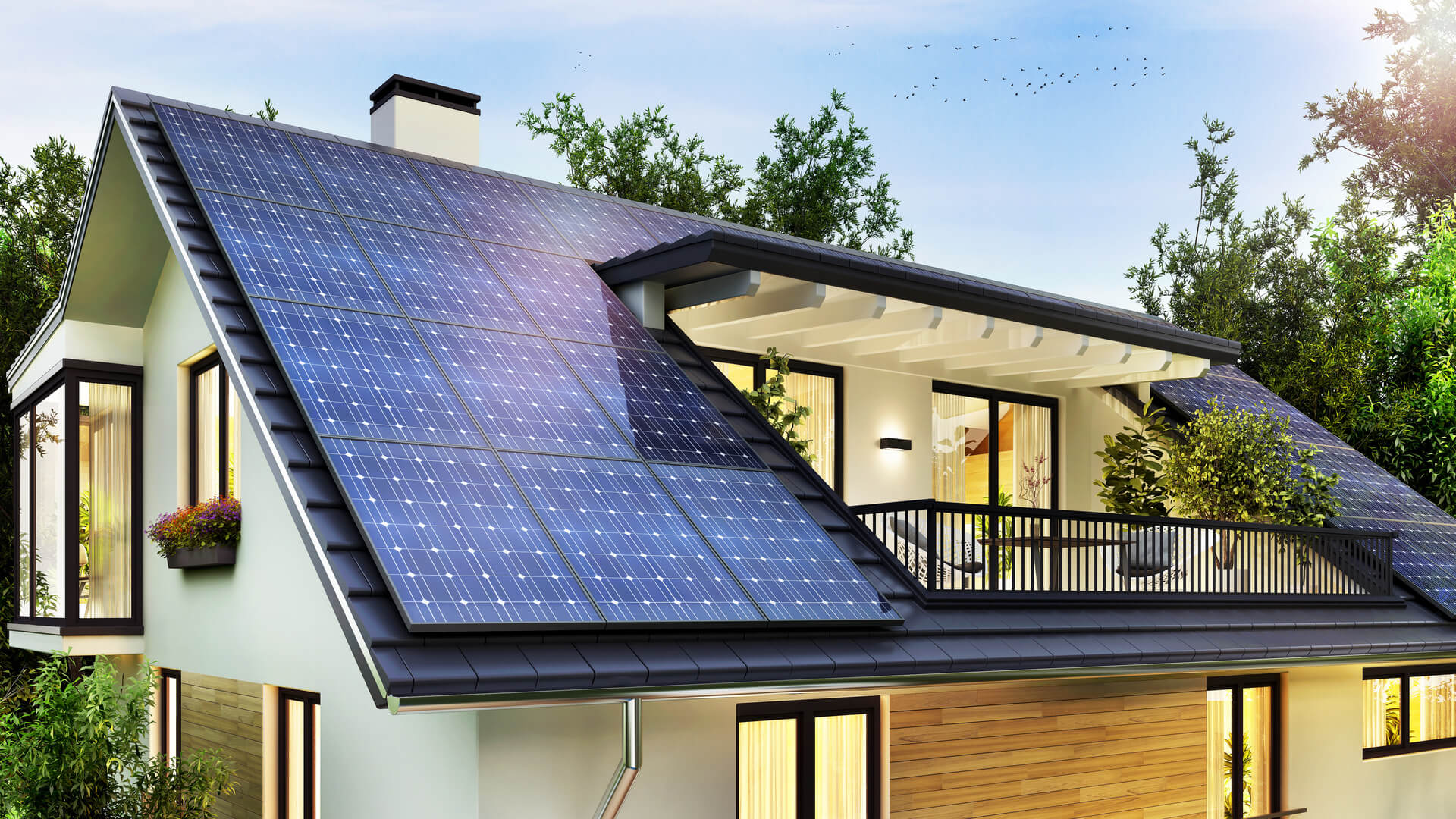
In an era marked by environmental consciousness and sustainable living, many homeowners are looking to make a positive impact by adopting clean energy solutions. One such popular choice is harnessing the power of the sun through solar panels. By installing solar panels, homeowners not only reduce their carbon footprint but also enjoy long-term savings on energy bills. In this comprehensive guide, we will walk you through the process of installing solar panels at your home, empowering you to make an informed decision and contribute to a greener future.
Assess Your Home’s Suitability
Before diving into the solar panel installation process, it’s essential to evaluate your home’s suitability for solar energy. Key factors to consider include:
Sunlight exposure: Analyze your property to identify areas with the most direct sunlight throughout the day. South-facing roofs generally receive the highest solar exposure, making them ideal for panel installation.
Roof condition: Ensure that your roof is structurally sound and capable of supporting the weight of solar panels. If your roof requires repairs or replacement soon, it’s best to address these issues before installing solar panels.
Shade analysis: Minimize any potential shading from nearby structures or trees, as this can significantly affect your solar panel system’s efficiency.
Determine Your Energy Needs
Understanding your household’s energy consumption patterns is crucial in designing the right solar panel system. Review your electricity bills to identify average monthly usage. This information will help you and your solar panel provider size the system appropriately.
Choose a Reputable Solar Provider
Selecting a reliable and experienced solar panel provider is pivotal to the success of your solar journey. Research various providers in your area, read reviews, and request quotes from multiple companies. Pay attention to factors like warranty coverage, installation costs, and customer service reputation.
Designing Your Solar System
Working in collaboration with your chosen solar provider, design a customized solar system to suit your energy needs and roof specifications. The design process considers panel placement, wiring, and inverter options to ensure maximum efficiency.
Permits and Paperwork
Solar panel installations usually require permits from local authorities. Your solar provider should assist you with the necessary paperwork and ensure compliance with local regulations.
Installation Day
On the scheduled installation day, the solar team will arrive to mount the panels on your roof, connect them to the electrical system, and install the inverter to convert solar energy into usable electricity. The duration of the installation process varies depending on the system’s size and complexity.
Inspection and Interconnection
Following the installation, a municipal inspector will review the system to ensure it meets safety and building code standards. After approval, your solar provider will work with your utility company to finalize the interconnection process, allowing you to start generating solar power.
Monitor and Maintain
Once your solar panels are up and running, it’s important to monitor their performance regularly. Many systems come with monitoring tools that allow you to track energy production and ensure optimal efficiency. Additionally, periodic maintenance, such as cleaning the panels, may be necessary to maintain peak performance.
Now that your solar panel system is up and running, it’s time to fully embrace the benefits it offers:
Reduced Energy Bills: As your solar panels generate electricity from the sun, you’ll draw less power from the grid, leading to lower energy bills. Over time, your investment in solar will pay off, and you may even generate surplus energy that can be sold back to the utility company.
Environmentally Friendly: By choosing solar energy, you’re significantly reducing your carbon footprint. Solar power is a clean and renewable energy source, producing no greenhouse gas emissions, air pollutants, or harmful byproducts. Every unit of electricity you generate from solar helps combat climate change and supports a sustainable future.
Energy Independence: Solar panels provide you with a measure of energy independence. You’re not solely reliant on external energy sources, reducing vulnerability to fluctuating energy prices or potential power outages.
Increased Property Value: Installing solar panels can boost your property’s value. Many homebuyers today prioritize energy-efficient features, and a solar panel system can be a compelling selling point, potentially increasing the attractiveness and resale value of your home.
Government Incentives: Depending on your location, there may be government incentives, tax credits, or rebates available for solar installations. These incentives can further reduce the upfront cost and accelerate your return on investment.
Educate Others
Now that you’ve experienced the positive impact of solar energy, why not share your knowledge with friends, family, and neighbors? Educating others about the benefits of solar power can inspire them to consider environmentally friendly alternatives and take steps towards a greener future.
You can share your solar journey through social media, local community events, or even by inviting interested individuals to see your solar panels in action. By promoting renewable energy, you contribute to a broader movement towards sustainability and foster a sense of environmental responsibility in your community.
Continuously Optimize
As technology advances, new solar innovations may emerge, offering enhanced efficiency and performance. Stay informed about the latest developments in solar energy and consider upgrading your system if it makes financial sense. Regularly monitor your energy consumption and explore additional energy-saving measures to complement your solar panels, such as energy-efficient appliances, LED lighting, and smart home automation.
Solar panels are widely used in both businesses and houses for several compelling reasons:
Renewable Energy Source: Solar panels harness energy from the sun, which is a renewable and virtually inexhaustible energy source. As long as the sun shines, solar panels can generate electricity, making them a sustainable and eco-friendly choice.
Cost Savings: Both businesses and homeowners can significantly reduce their electricity bills by generating their own solar power. Depending on the system’s size and local energy costs, solar panels can lead to substantial long-term savings on energy expenses.
Energy Independence: Relying on solar energy allows businesses and homeowners to become more energy-independent. By generating their own electricity, they are less dependent on utility companies and are better prepared to handle potential power outages or grid disruptions.
Environmental Benefits: Solar energy is clean and produces no greenhouse gas emissions or air pollutants, contributing to improved air quality and a reduced carbon footprint. By opting for solar panels, businesses and households can actively contribute to mitigating climate change and protecting the environment.
Government Incentives: Many governments and local authorities offer incentives, tax credits, and rebates to encourage the adoption of solar energy. These financial benefits make installing solar panels more financially attractive for businesses and homeowners.
Increased Property Value: For homeowners, installing solar panels can increase the resale value of their property. Many homebuyers value energy-efficient features like solar panels, making a home more attractive in the real estate market.
Corporate Social Responsibility (CSR): Businesses that incorporate solar panels into their operations showcase their commitment to sustainable practices and CSR. It enhances their reputation and appeal to environmentally conscious customers and stakeholders.
Long-Term Investment: Solar panels have a long lifespan, often lasting 25–30 years or more with proper maintenance. The initial investment in solar panels pays off over time, providing a stable and consistent energy source for decades.
Scalability: Solar panels can be installed on a small scale for individual homes or on a larger scale for businesses, industries, and solar farms. Their flexibility makes them suitable for various energy needs.
Technological Advancements: Advances in solar technology continue to improve the efficiency and affordability of solar panels, making them an increasingly viable option for businesses and homeowners.
Solar panels offer a multitude of benefits, including cost savings, environmental advantages, energy independence, and increased property value. Whether for businesses or houses, investing in solar panels represents a step towards a cleaner, greener, and more sustainable energy future.
The life expectancy of a solar panel, also known as its “service life” or “operational life,” is typically measured in years. Most modern solar panels have a lifespan ranging from 25 to 30 years. However, it’s essential to note that this can vary based on several factors:
Manufacturing Quality: The quality of the materials and construction used in manufacturing the solar panel plays a crucial role in determining its longevity. High-quality panels from reputable manufacturers tend to have a longer service life.
Environmental Factors: The environment in which the solar panels are installed can impact their lifespan. Extreme weather conditions, such as hail, snow, high winds, or intense heat, can affect the panels over time.
Maintenance: Regular maintenance and cleaning of solar panels can extend their life. Dust, dirt, leaves, and other debris can reduce the efficiency of the panels if not properly cleaned.
Degradation Rate: Solar panels experience a gradual reduction in efficiency over time, known as degradation. The rate of degradation varies among different panel technologies, with most modern panels having a degradation rate of around 0.5% to 0.8% per year.
Temperature: High temperatures can slightly accelerate the degradation rate of solar panels. However, modern panels are designed to withstand a wide range of temperatures.
Manufacturer’s Warranty: Reputable solar panel manufacturers often provide warranties that guarantee the performance of the panels for a specific number of years, typically 25 years or more. This warranty ensures that the panels will still produce a certain percentage of their original efficiency after the specified period.
It’s worth noting that while a solar panel’s efficiency may gradually decline over time due to degradation, it doesn’t mean the panel becomes entirely non-functional after its expected life span. Many panels can continue to produce electricity beyond their stated service life, albeit at a slightly reduced efficiency.
Solar panel sizes can vary based on several factors, including the location, available space, energy needs, and technological advancements. Here are some common sizes of solar panels used at different places:
Residential Solar Panels:
- Residential solar panels typically range from 250 watts to 400 watts per panel.
- The physical dimensions of residential panels are often around 1.6 meters (63 inches) in height and 1 meter (39 inches) in width.
Commercial Solar Panels:
- Commercial solar panels are larger and more powerful than residential panels.
- They typically range from 300 watts to 600 watts per panel.
- The physical dimensions of commercial panels can vary but are generally around 2 meters (79 inches) in height and 1 meter (39 inches) in width.
Utility-Scale Solar Panels:
- Utility-scale solar panels are used in large solar farms and solar power plants.
- They are even more substantial and more powerful than commercial panels, often ranging from 350 watts to 700 watts per panel or more.
- The physical dimensions of utility-scale panels can be around 2 meters (79 inches) to 2.4 meters (94 inches) in height and 1.2 meters (47 inches) in width.
It’s important to note that solar panel sizes are not standardized, and different manufacturers may produce panels with slightly different physical dimensions and wattage outputs. Additionally, advancements in solar technology may lead to the development of more efficient panels with higher wattage outputs in the future
While solar panels offer numerous benefits, they also come with some disadvantages. Here are some of the main disadvantages of solar panels:
High Initial Cost: The upfront cost of purchasing and installing solar panels can be relatively high. While the prices have decreased over the years, the initial investment can still be a significant barrier for some homeowners or businesses.
Weather Dependency: Solar panels rely on sunlight to generate electricity, which means they are weather-dependent. On cloudy or rainy days, the panels may produce less electricity, reducing their efficiency.
Land Use and Space Requirements: Solar panels require a considerable amount of space for installation, especially for larger systems or solar farms. This can be challenging in densely populated urban areas or where available land is limited.
Energy Storage and Grid Integration: Solar energy production may not always align with energy demand. As a result, efficient energy storage solutions or integration with the grid are essential for ensuring continuous power supply, which can add to the overall cost.
Aesthetics: Some individuals find solar panels aesthetically unappealing, especially when installed on residential rooftops. While solar panel designs have improved, they may not always match the architectural style of the building.
Environmental Impact of Manufacturing: The manufacturing process of solar panels requires energy and raw materials, which can result in environmental impacts. However, this impact is generally considered lower compared to the environmental benefits of solar energy over the panel’s lifetime.
Efficiency and Degradation: Solar panels experience a gradual reduction in efficiency over time due to degradation. While modern panels have relatively low degradation rates, it still impacts overall performance.
Installation Challenges: Improper installation can lead to reduced efficiency or performance issues. It’s crucial to have qualified professionals install the panels correctly.
Rare Earth Elements: Some solar panels use rare earth elements, which can be challenging to source sustainably and ethically, potentially leading to environmental and social concerns.
Despite these disadvantages, it’s essential to note that solar energy remains one of the most promising renewable energy sources with significant environmental and economic benefits. Many of the drawbacks can be mitigated through technological advancements, improved policies, and careful planning during installation and disposal processe
When choosing solar panels, it’s essential to consider the available space for installation, the energy needs of the location, and the specific requirements of the solar project. Consulting with a reputable solar provider can help determine the most suitable panel size for a particular place and purpose.