Parenting is a journey filled with joy, challenges, and surprises. When parents discover that their child has a disability, this journey takes a unique and often daunting turn. However, it is crucial to recognize the resilience, love, and determination that parents and families exhibit as they work together to support their disabled children.
Caring for a child who is profoundly disabled, unable to speak, walk, or perform basic activities of daily living, presents extraordinary challenges for parents and families. These situations can vary widely depending on the specific disability, its severity, and the available resources and support.
Emotional Rollercoaster: The initial shock and emotional turmoil can be overwhelming when parents learn that their child is profoundly disabled. They may experience grief, guilt, and a sense of helplessness. It’s essential to acknowledge and allow these emotions while seeking support from counselors, support groups, or therapists.
Intensive Medical Care: Children with severe disabilities often require complex medical care. Parents become adept at managing medications, medical equipment, and therapy schedules. They work closely with healthcare professionals to ensure their child’s health and comfort.
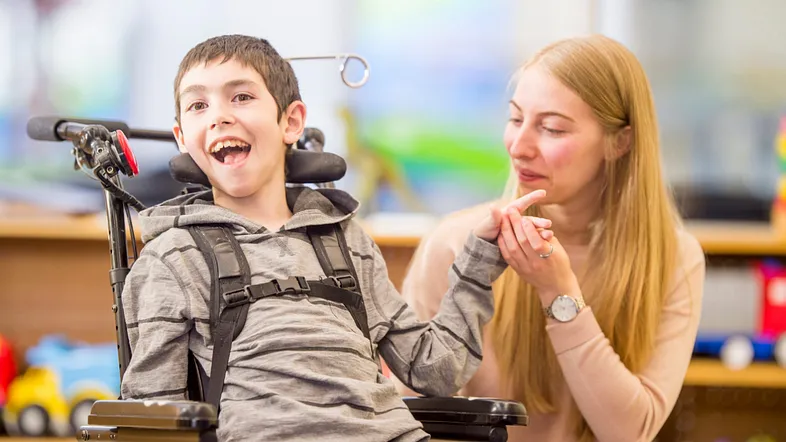
Assistive Technology: Many disabled children benefit from assistive technology devices, such as communication boards or wheelchairs, to enhance their quality of life and facilitate communication. Parents learn to use and maintain these tools to improve their child’s capabilities.
Specialized Education: Education for profoundly disabled children usually involves specialized programs or schools that cater to their unique needs. Parents collaborate with educators and therapists to develop tailored educational plans, aiming to enhance their child’s cognitive and physical abilities.
Physical Care: Parents often provide round-the-clock physical care, including bathing, feeding, and changing, which can be physically demanding. They may require assistance from caregivers or respite care services to manage these tasks.
Adaptive Living Skills: Parents work tirelessly to help their disabled child develop adaptive living skills, such as eating, grooming, and basic communication, which can significantly improve their quality of life and independence.
Support Networks: Building a strong support network is crucial for parents of profoundly disabled children. Connecting with other families facing similar challenges can offer a sense of belonging and the exchange of valuable advice.
Advocacy: Parents become fierce advocates for their child’s rights, working to ensure they receive appropriate medical care, educational opportunities, and social inclusion. They navigate complex systems and tirelessly pursue the best possible outcomes.
Respite and Self-Care: Caring for a profoundly disabled child can be physically and emotionally draining. Parents must prioritize self-care and seek respite care to prevent burnout and maintain their own well-being.
Unconditional Love: The love and dedication parents display in caring for their profoundly disabled child are immeasurable. Their commitment to enhancing their child’s quality of life, even when faced with seemingly insurmountable challenges, is a testament to the incredible strength of parental love.
Self-Care and Resilience : Caring for a disabled child can be physically and emotionally exhausting. Parents and families must also prioritize their own well-being to provide the best care for their child. They learn the importance of self-care, seeking respite when needed, and leaning on their support network to recharge and find strength.
Embracing Diversity and Inclusion :As they raise disabled children, parents and families become champions of diversity and inclusion. They understand that every child, regardless of their abilities, has unique talents and contributions to make to society. Their efforts to break down barriers, challenge stereotypes, and create inclusive environments are a testament to their commitment to a more inclusive world.
Creating Moments of Joy: Despite the challenges, parents find ways to create moments of joy and connection with their child. These moments may be simple, like a smile or a shared touch, but they are monumental in the daily lives of families.
Love Knows No Limits: In the journey of parenting profoundly disabled children, it becomes evident that love knows no limits. It transcends the boundaries of physical and cognitive abilities, speaking a language that needs no words.
Accessible Public Spaces: A society that values inclusivity ensures that public spaces, such as parks, transportation, and recreational facilities, are accessible to individuals with disabilities. This makes outings and activities more enjoyable for families.
Community Engagement: Communities can be a tremendous source of support. Neighbors, friends, and local organizations may offer assistance, from helping with household chores to organizing fundraisers for medical expenses. This involvement helps create a sense of belonging and reduces the isolation that some families may feel.
Family Unity: Within the family, parents often find strength in each other. They share the responsibilities of caregiving, advocacy, and emotional support. Siblings also play a crucial role, learning about empathy, patience, and the value of differences from a young age.
Extended Family Support: Extended family members, such as grandparents, aunts, uncles, and cousins, often provide invaluable support. They offer respite care, lend an understanding ear, and actively participate in the child’s life, creating a strong and inclusive family unit.
The journey of parenting profoundly disabled children is one that is marked by extraordinary challenges, but it is also marked by the extraordinary power of love. This love is a force that drives parents to advocate, care, and create moments of joy amidst the difficulties. It is a reminder that, in the face of adversity, the human spirit is capable of incredible acts of love and resilience. In honoring and supporting these families, we contribute to a world where every child is valued, regardless of their abilities, and where love knows no bounds.